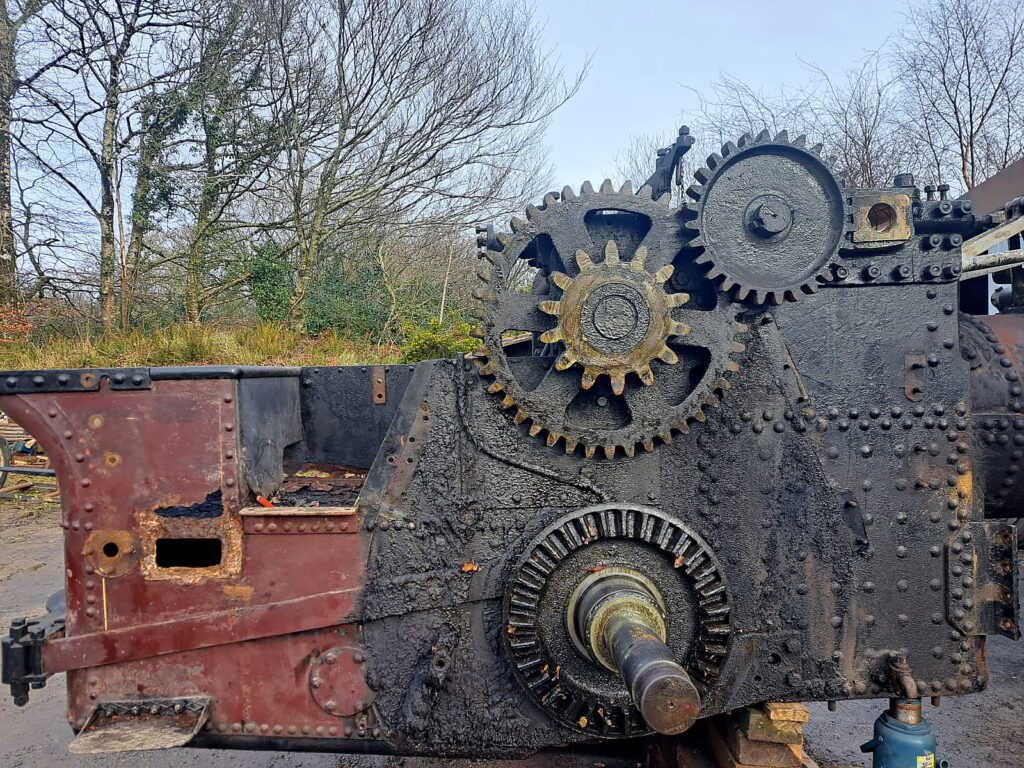
The 1936 Fowler Compound Traction Engine, Works No. 21649 (Reg. KI1973)
Every restoration project begins with a story, somewhere between discovery and determination. Ours began with a machine that had spent decades at rest: a 1936 Fowler Compound Traction Engine, Works Number 21649, known fondly and widely as the Village Rambler. Once a hardworking engine and an unmistakable feature of rural life, the Village Rambler has spent recent years waiting patiently for its moment to shine again.
That moment has arrived….
It all began with the unmistakable silhouette of “The Village Rambler” traction engine being carefully winched onto a lowloader. This mighty 1936 Fowler Compound Traction Engine, quiet, weathered, and dignified despite the many years left idle, sat securely chained down for its final road journey before transformation. As the low-loader pulled away, it marked the beginning of a new chapter, The Village Rambler was on its way not to another field or rally, but to a workshop where its rebirth would begin.

This first post marks the beginning of a blog series documenting the restoration of the Rambler from its current condition back to full working order. We’ll be sharing updates, technical insights, historical notes, and of course, plenty of photos as the work progresses. Below is a look at what has been completed so far, foundational, careful work that is essential for any major steam engine rebuild.
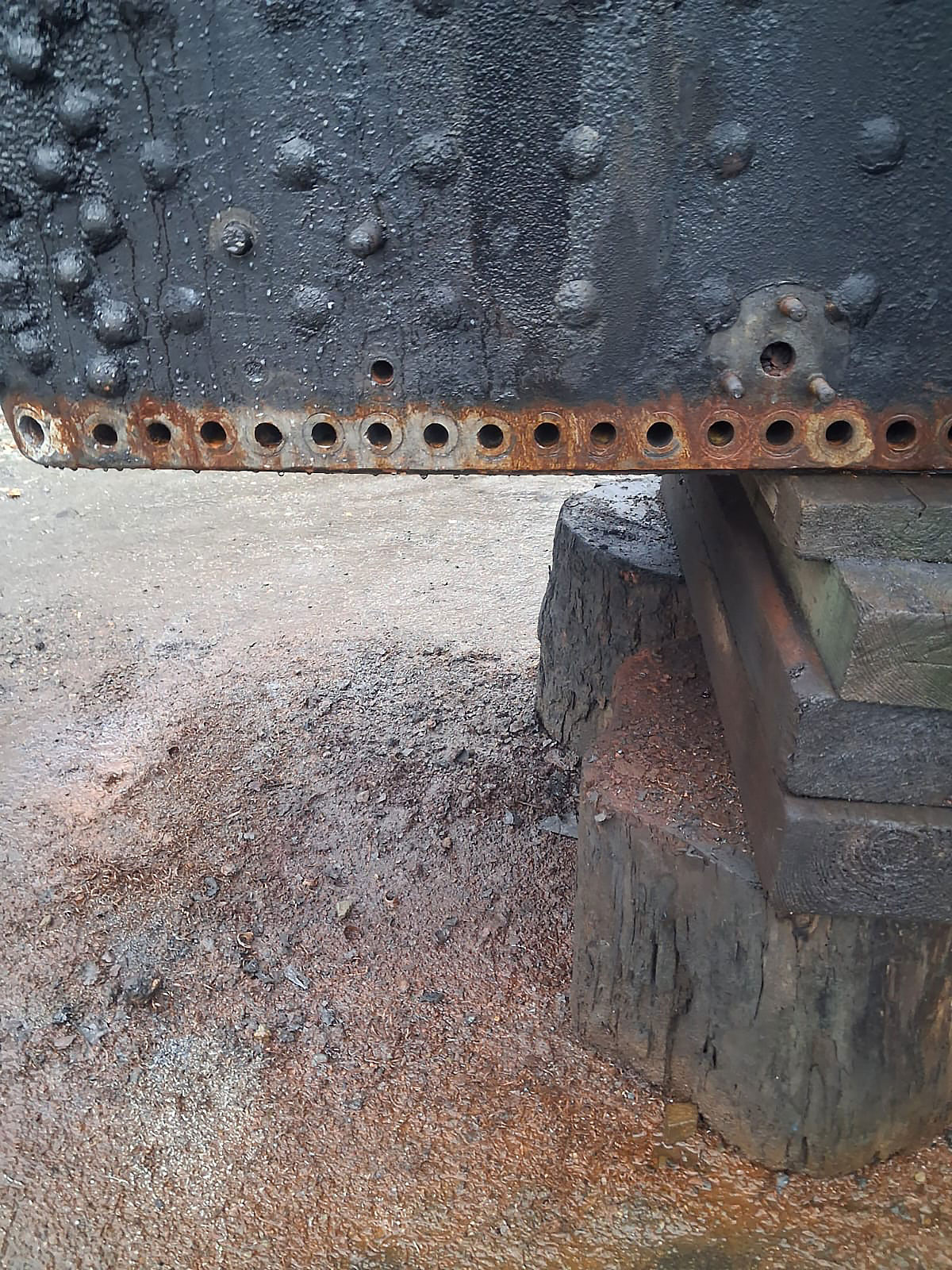
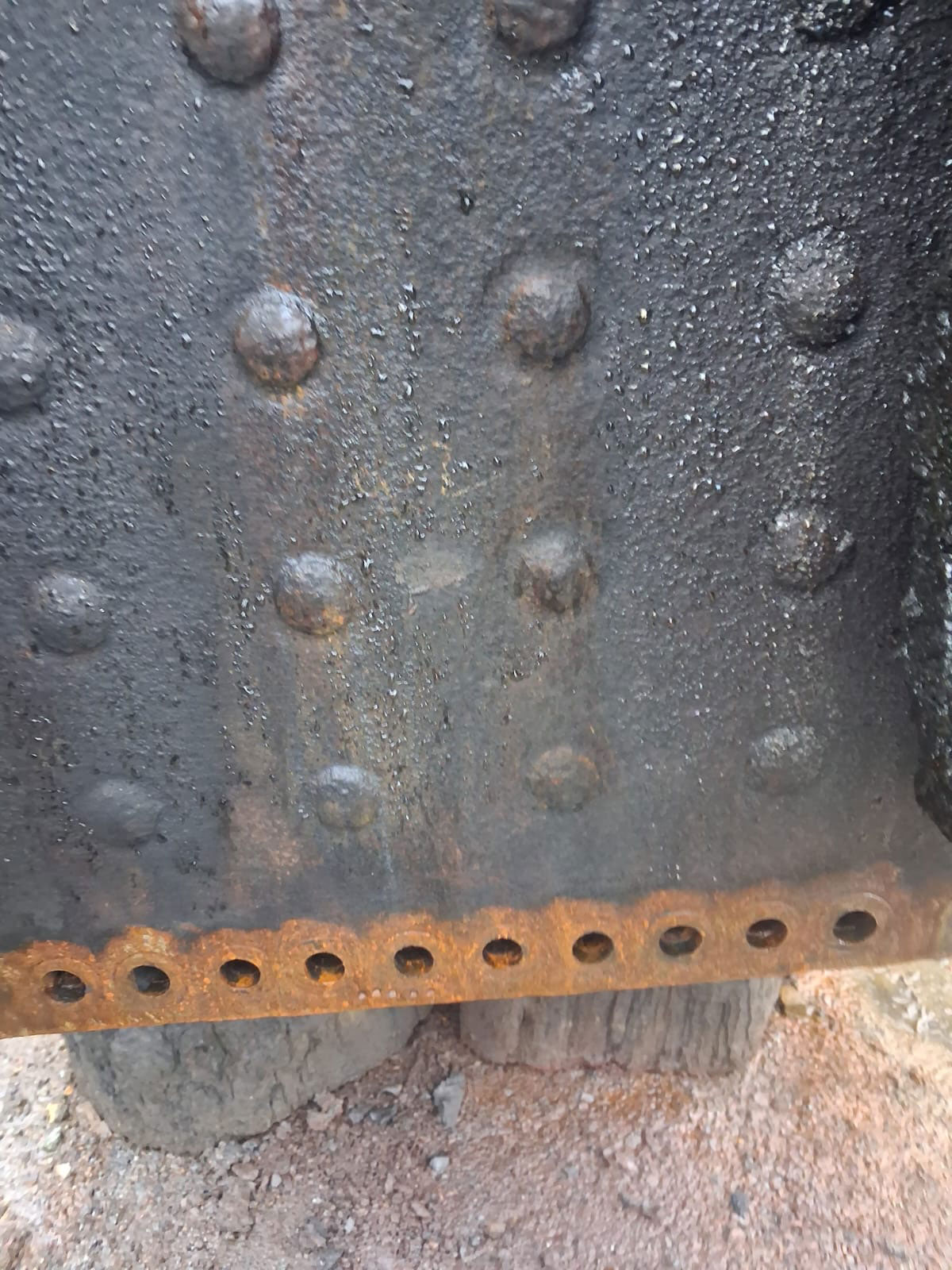
Starting at the Foundation – Rivets Removed
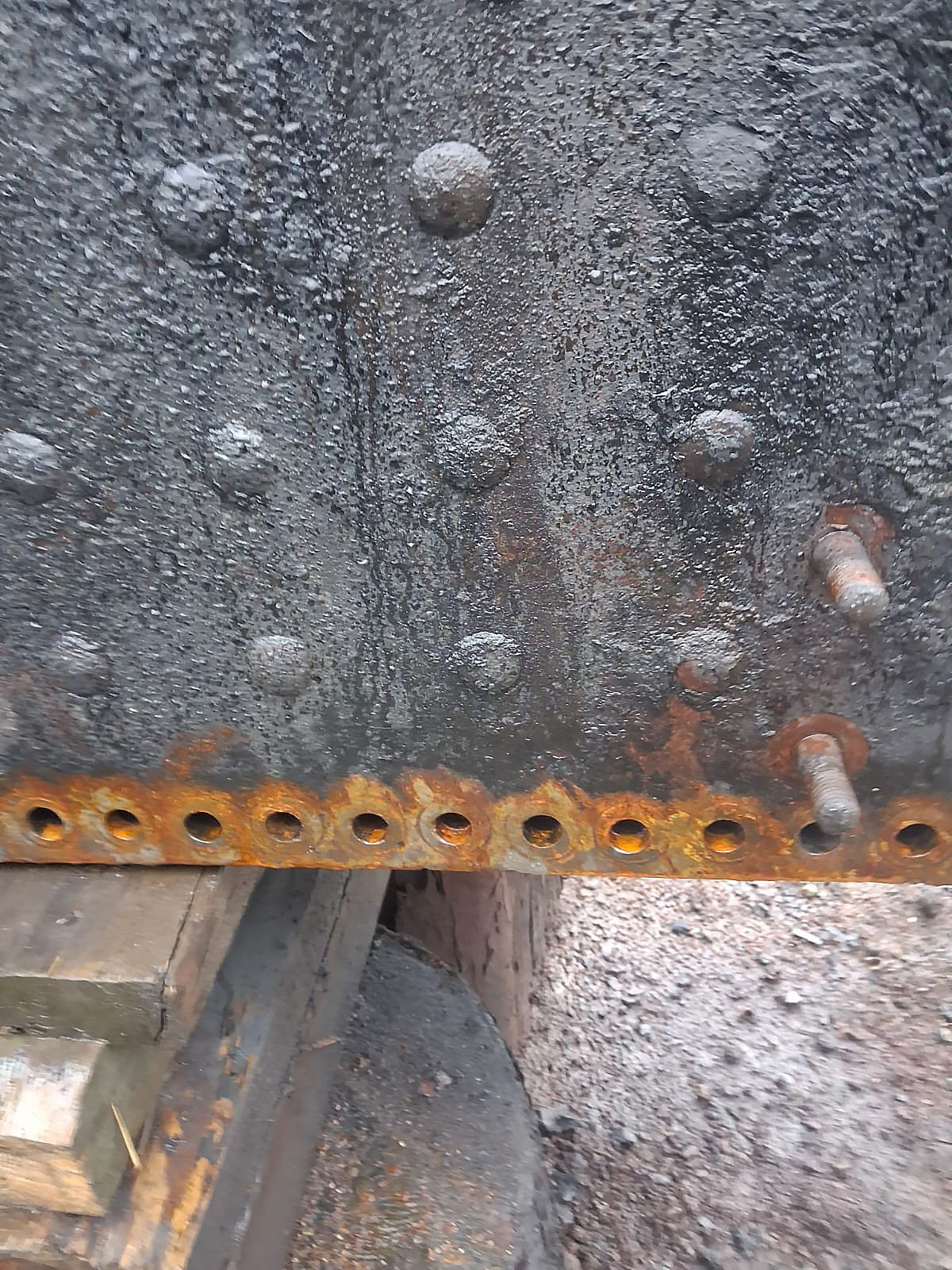
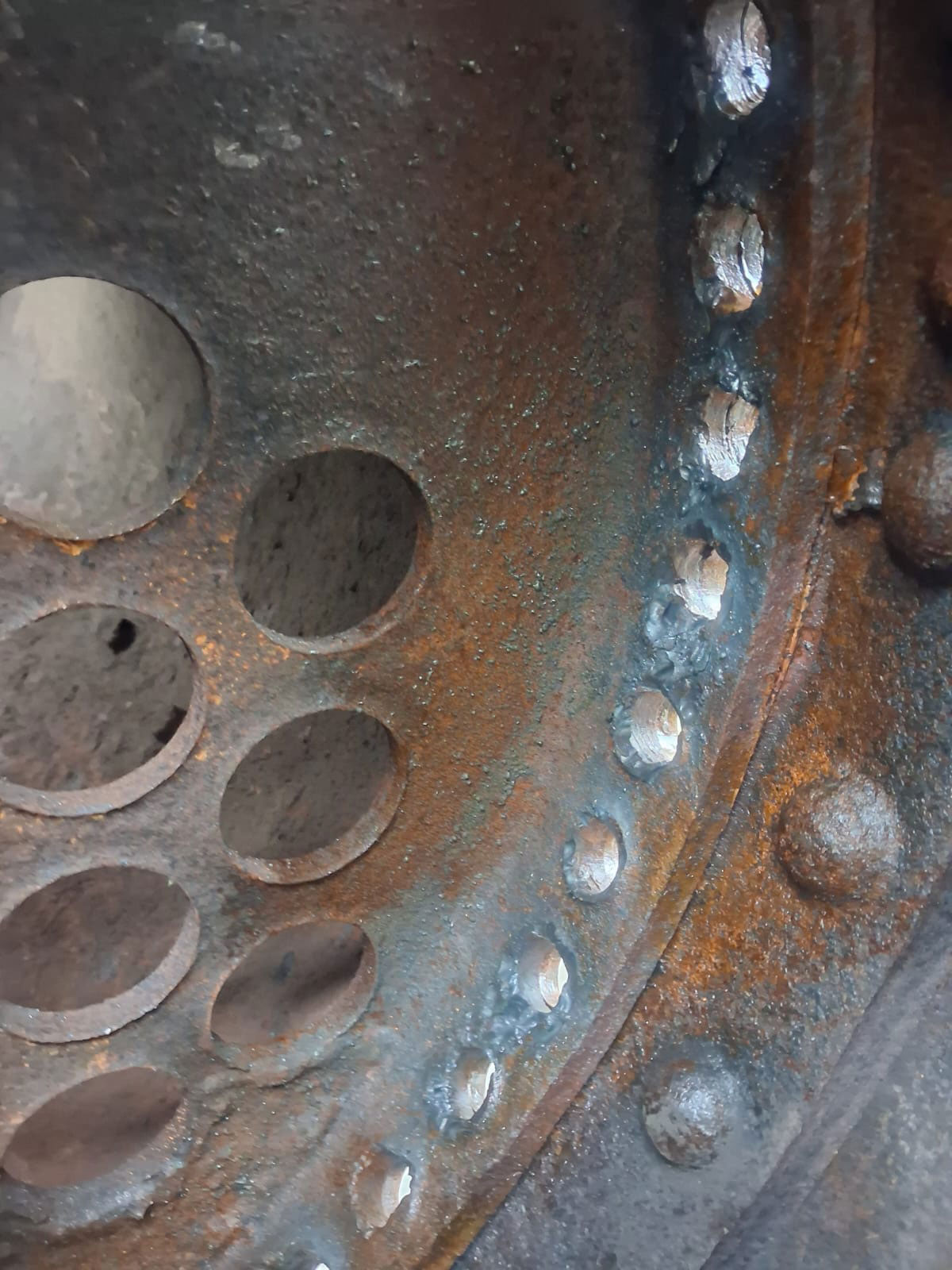
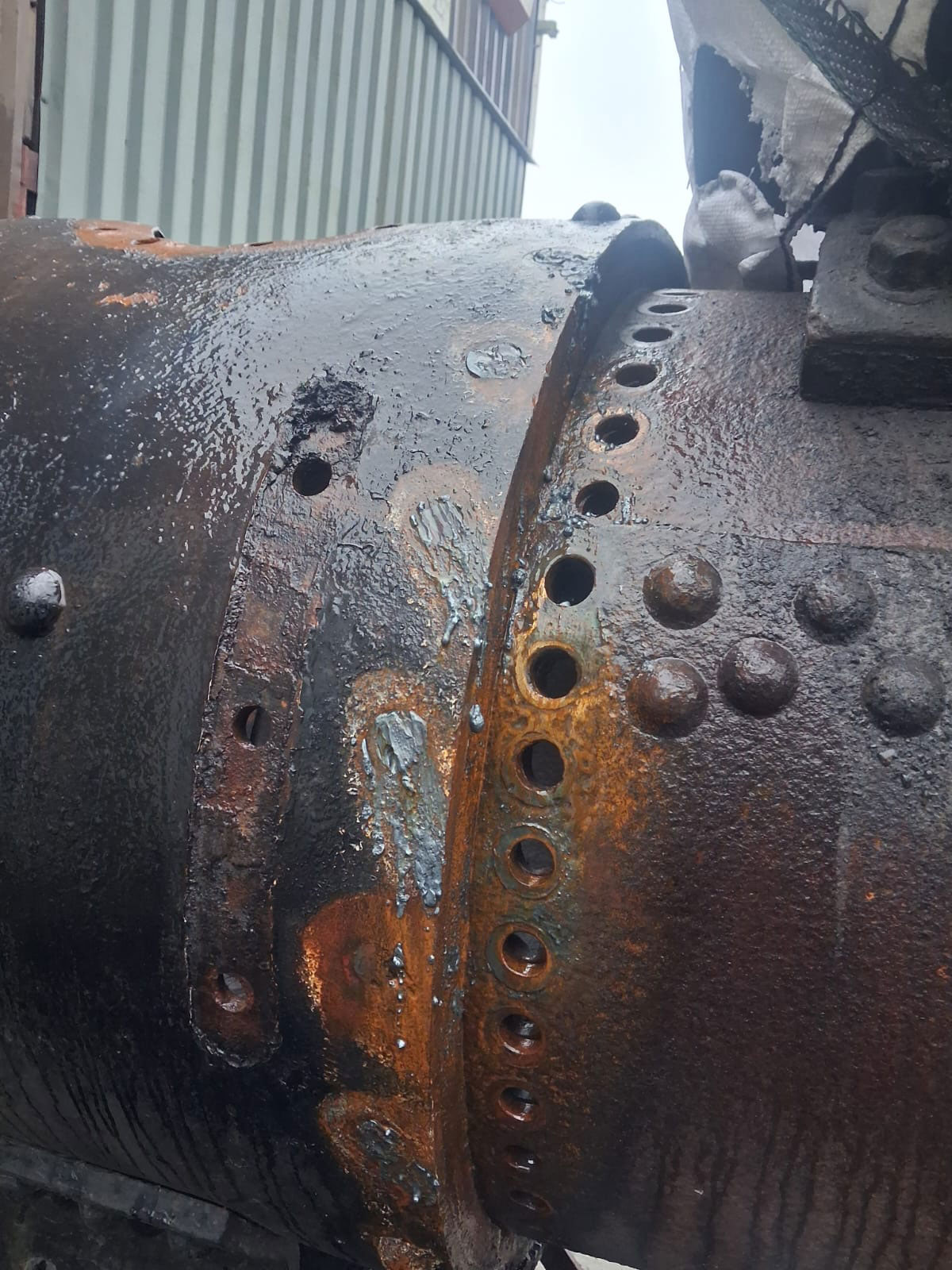
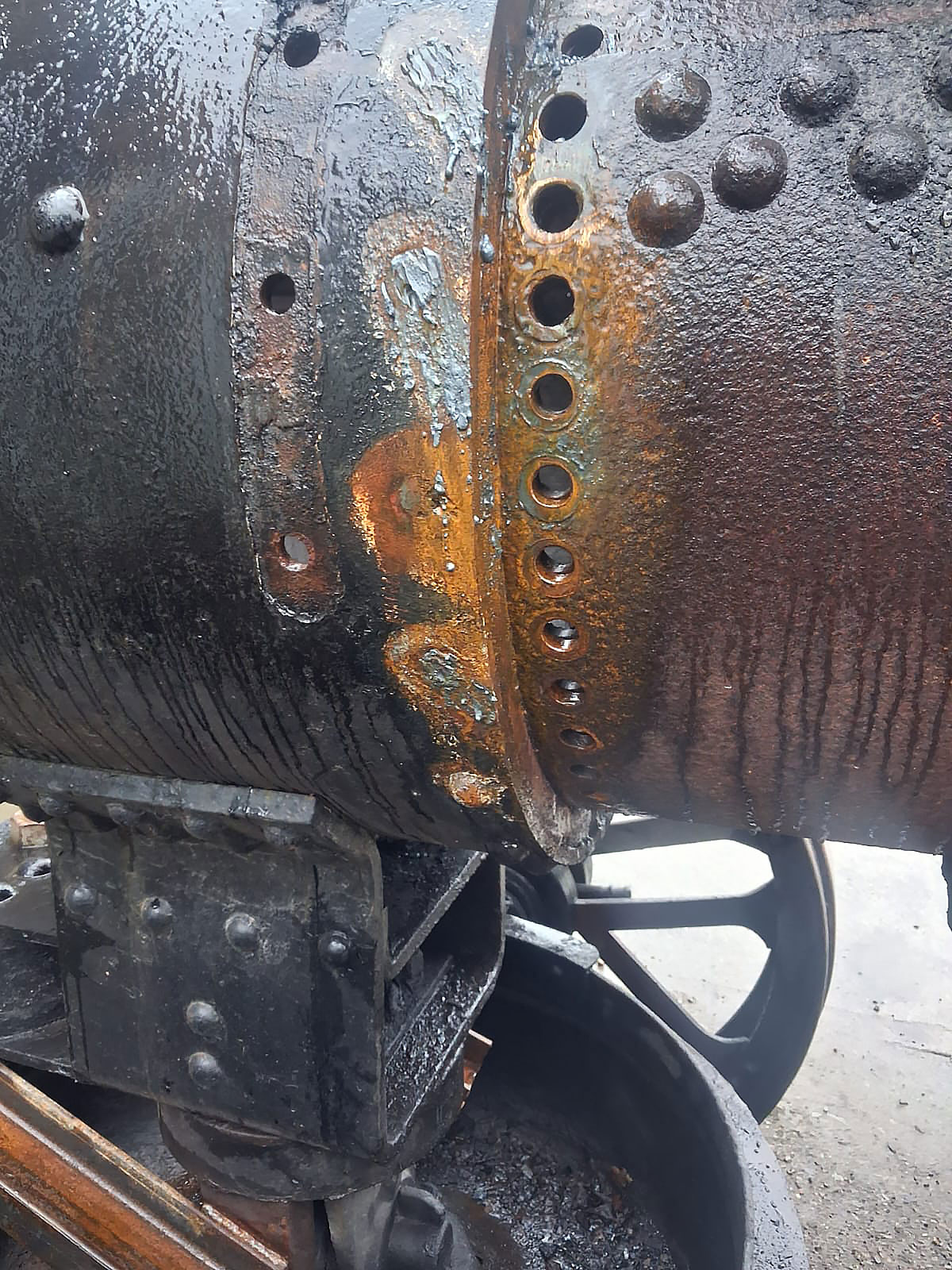
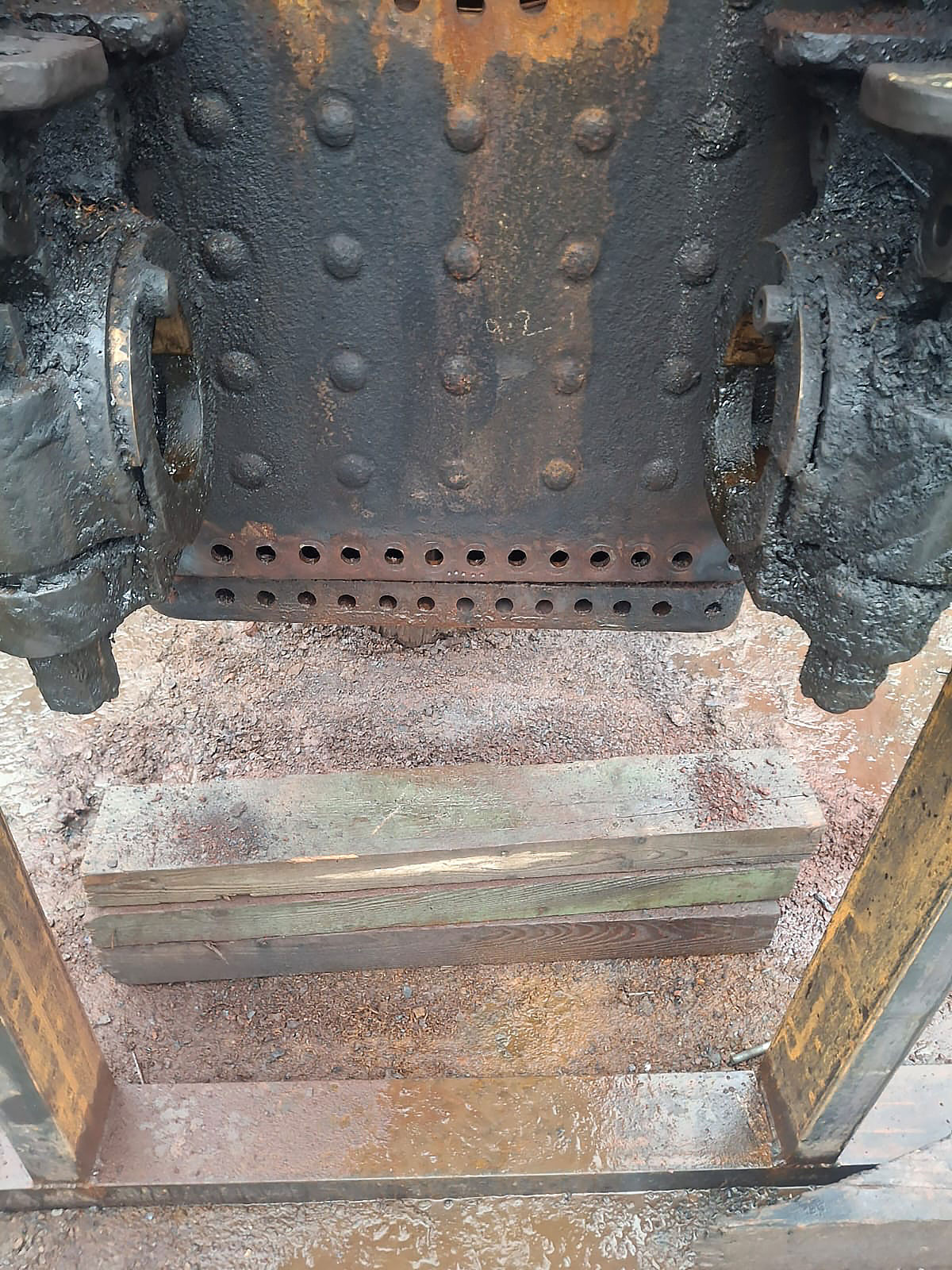
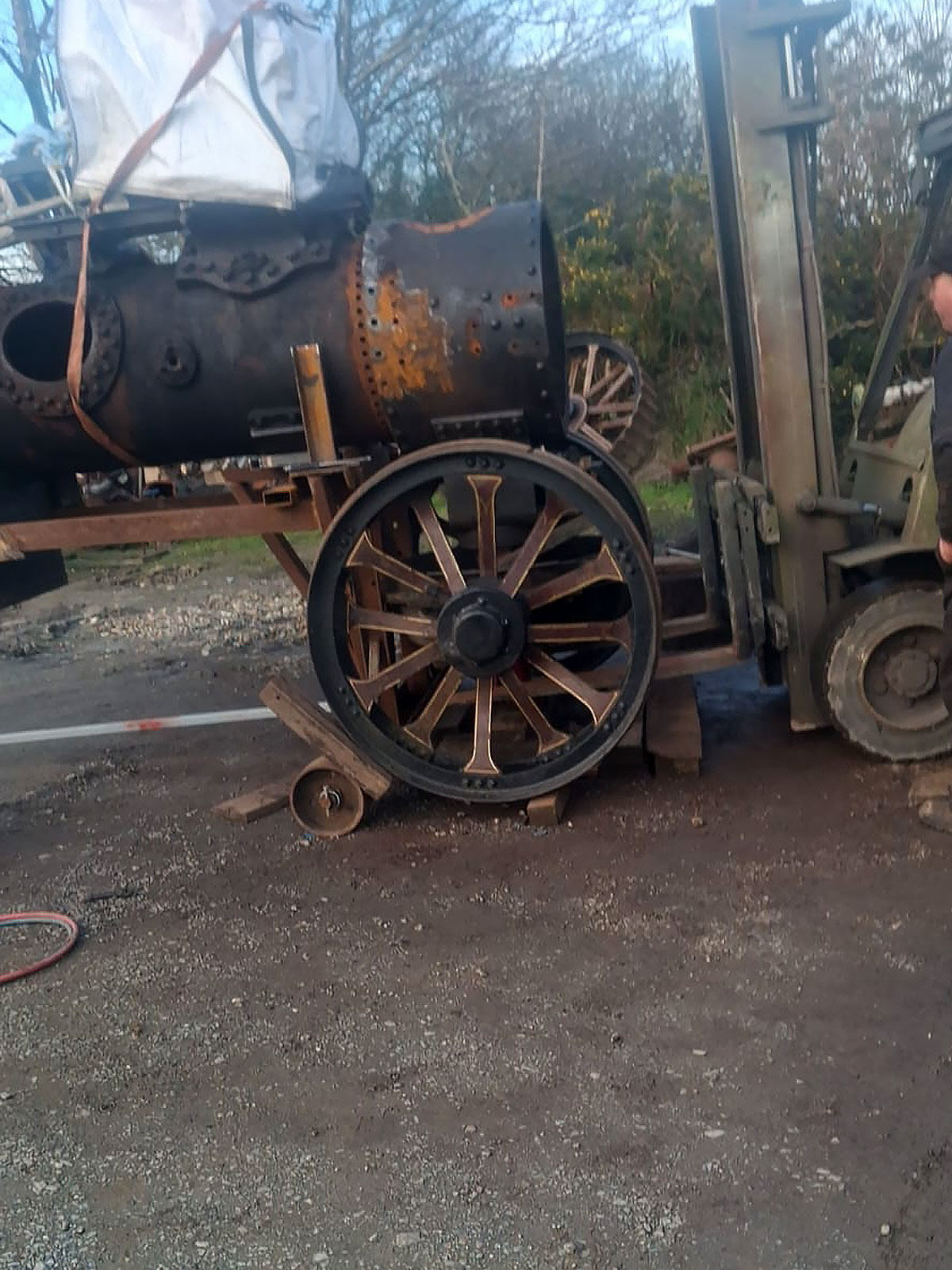
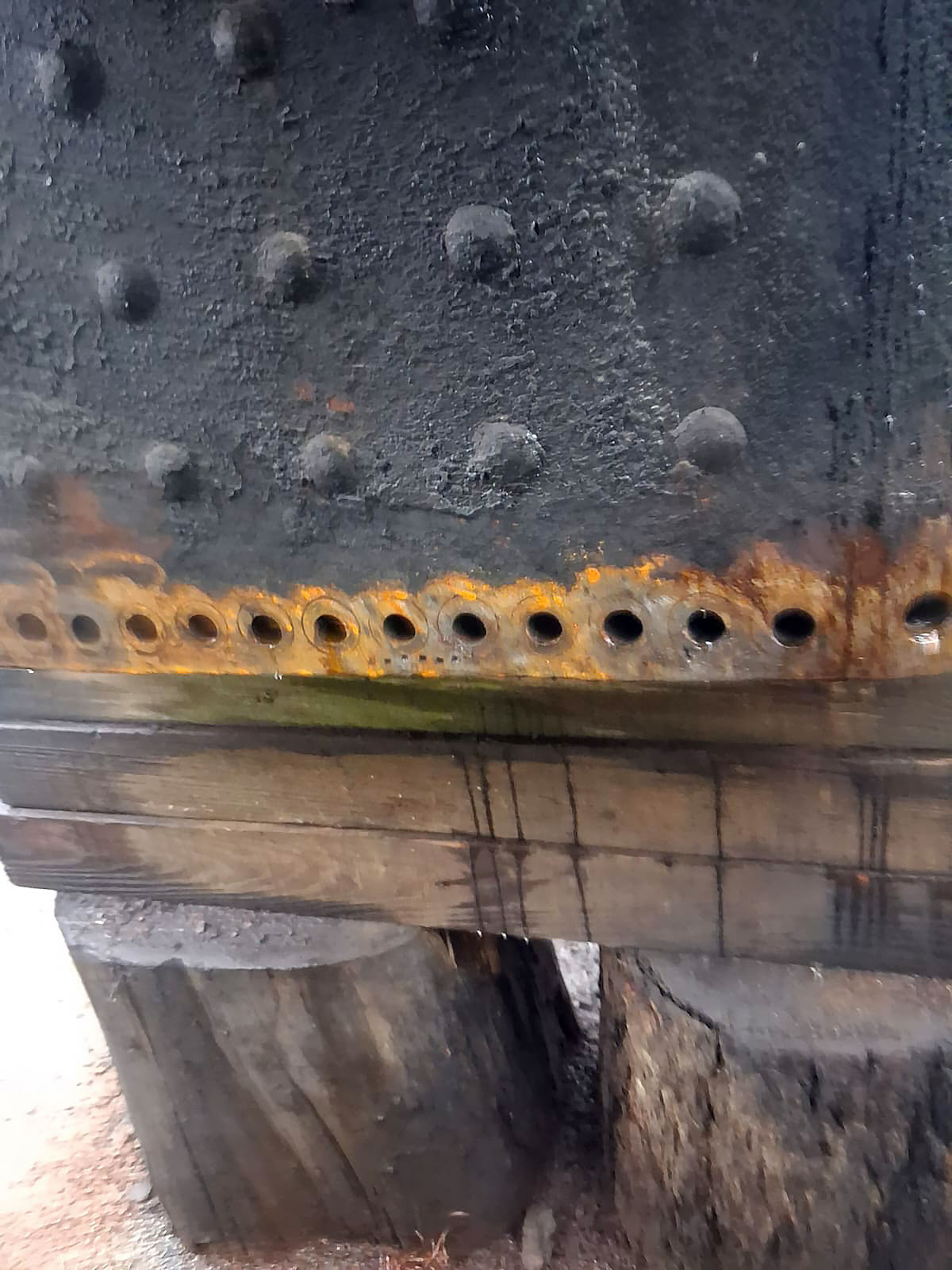
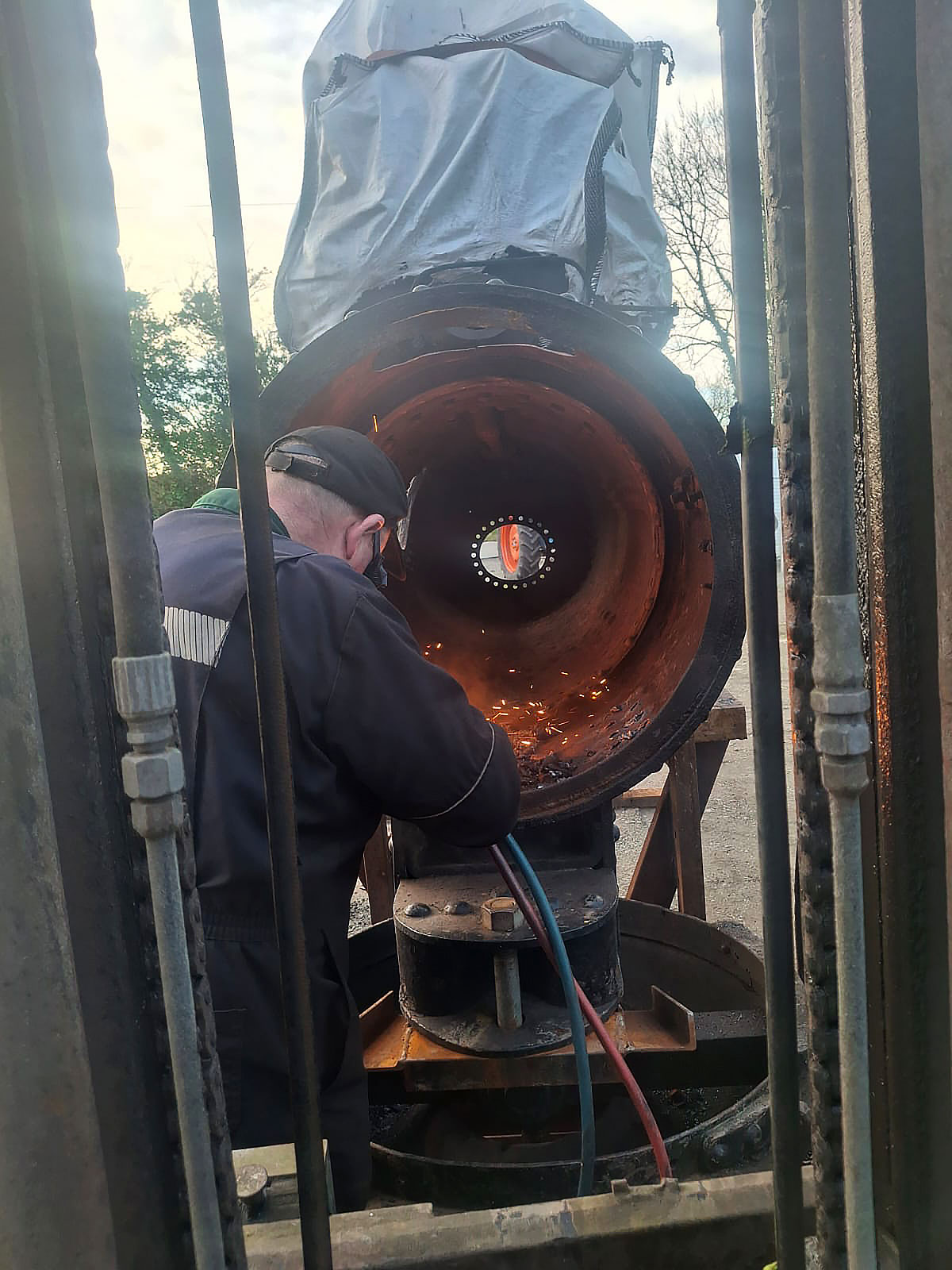
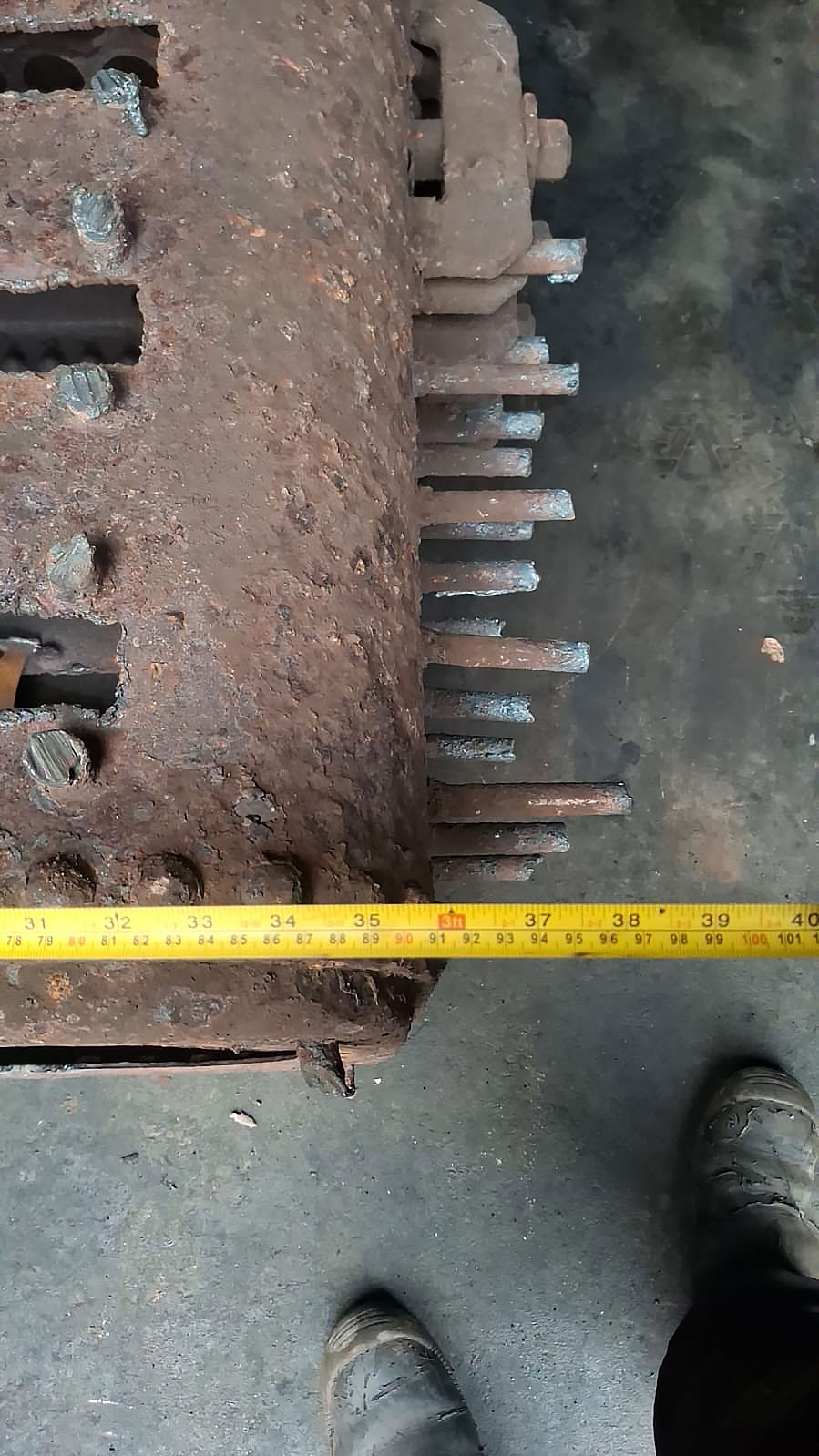
One of the earliest and most significant tasks undertaken was the removal of the foundation ring rivets. This is a painstaking job, but essential for separating the firebox from the boiler shell and evaluating the true condition of the boiler components. Each rivet told its own story of age, heat, and pressure, but eventually, every one of them was drilled, burned, or driven out as required.
Front Axle Perch & Spud Pan Removal
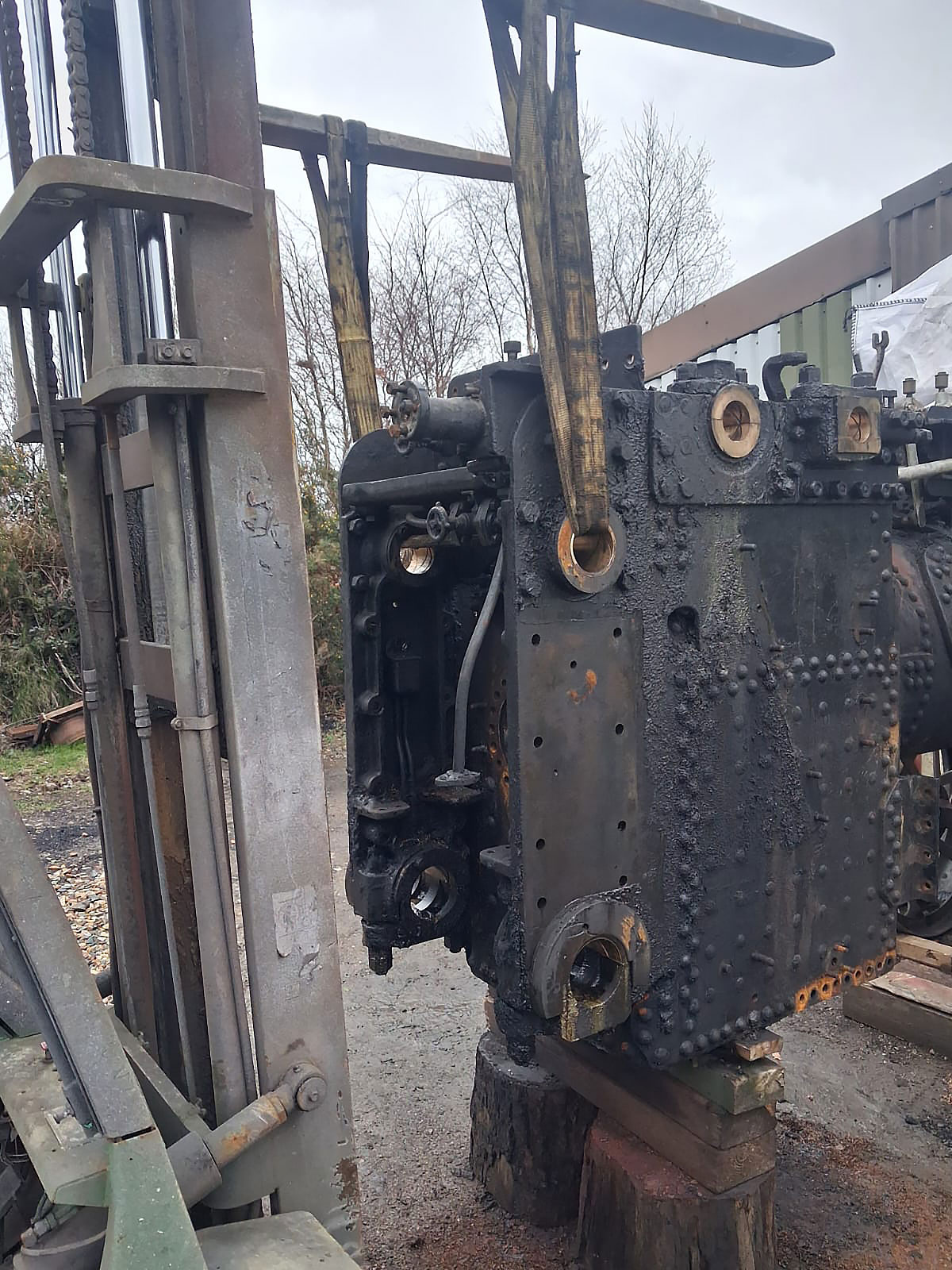
Attention now turned to the front axle perch and spud pan.
This structure supports the smokebox and front end of the boiler, and its removal was vital for gaining access to the smokebox rivets and tube plate.
Years of grime, rust, and tight clearances tested everyone’s patience, but steady progress prevailed.

Tube Plate Removed – A Major Milestone
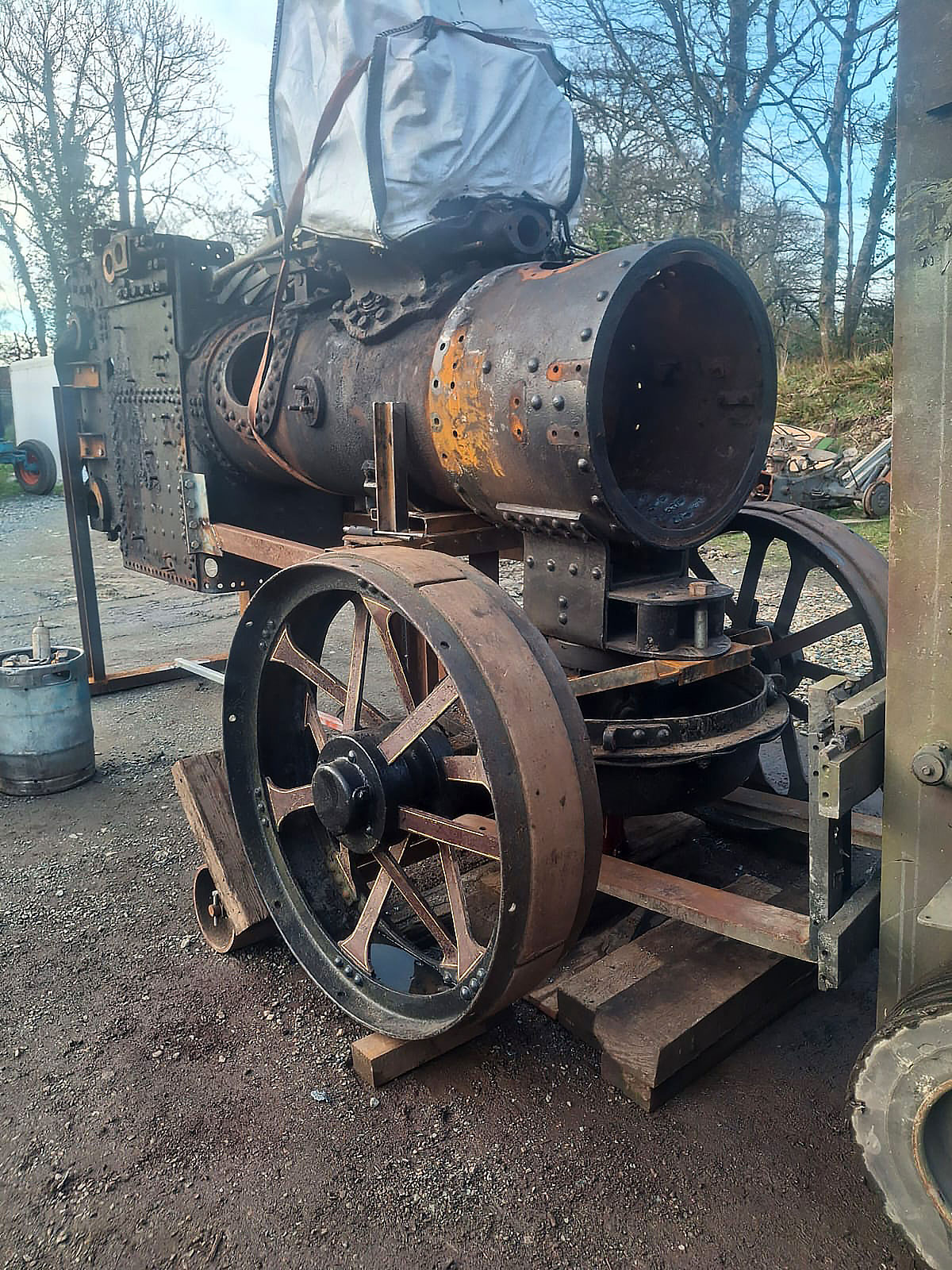
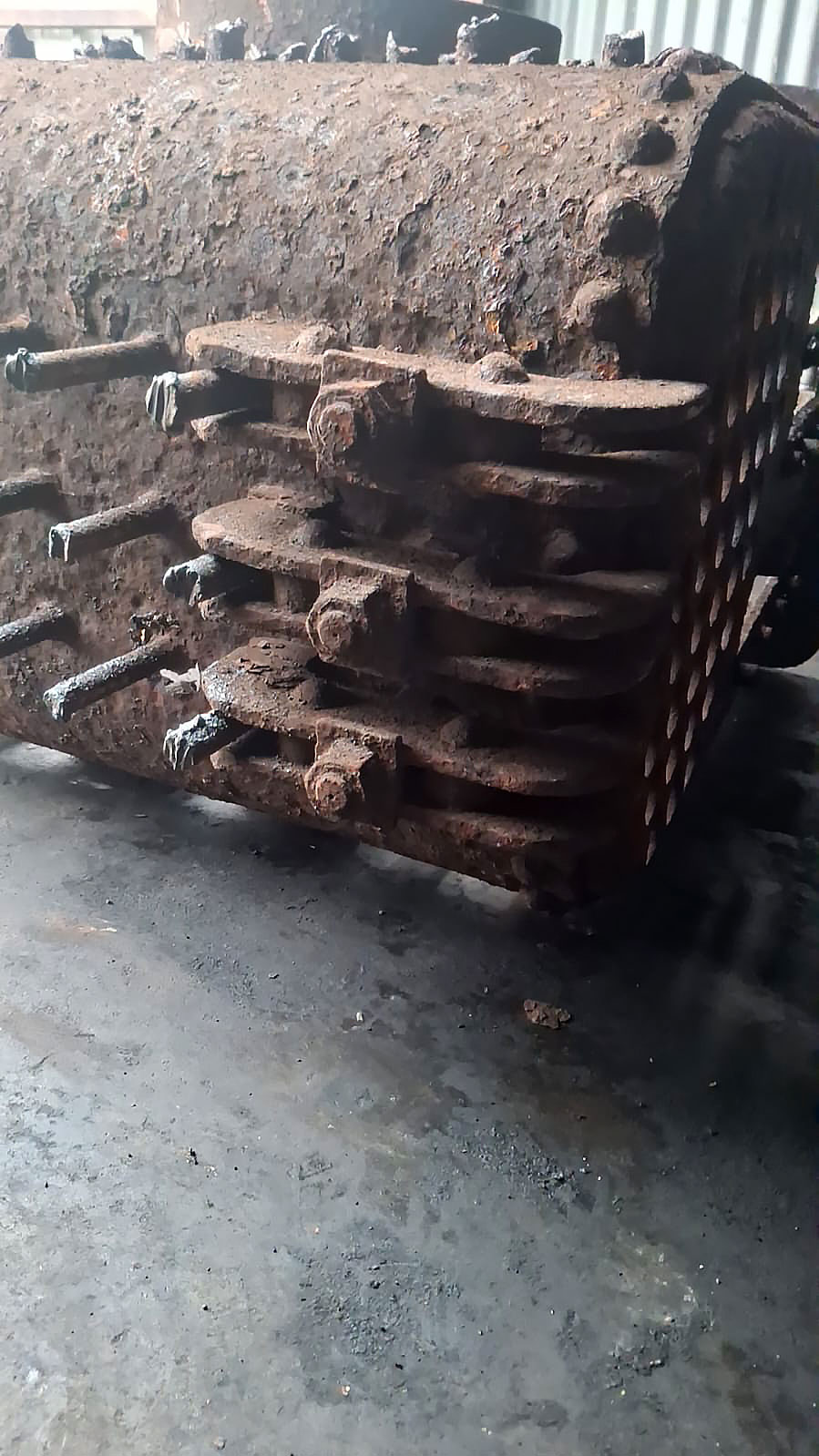
The removal of the front tube plate marks a significant step in any boiler restoration. Once free, it revealed the true condition of the internal components. As expected for an engine of this age, decades of wear meant that removal was the safest and most sensible path forward. This step now allows full inspection and eventual fabrication of replacement components.


Smokebox & Tube Plate Rivets Removed
With access improved, the smokebox rivets and remaining tube plate rivets were dealt with next. This process requires precision: taking care not to distort the surrounding platework while ensuring each rivet is properly removed. Bit by bit, inch by inch, The Village Rambler became freer of tired old metal.
Front Axle & Perch Fully Removed
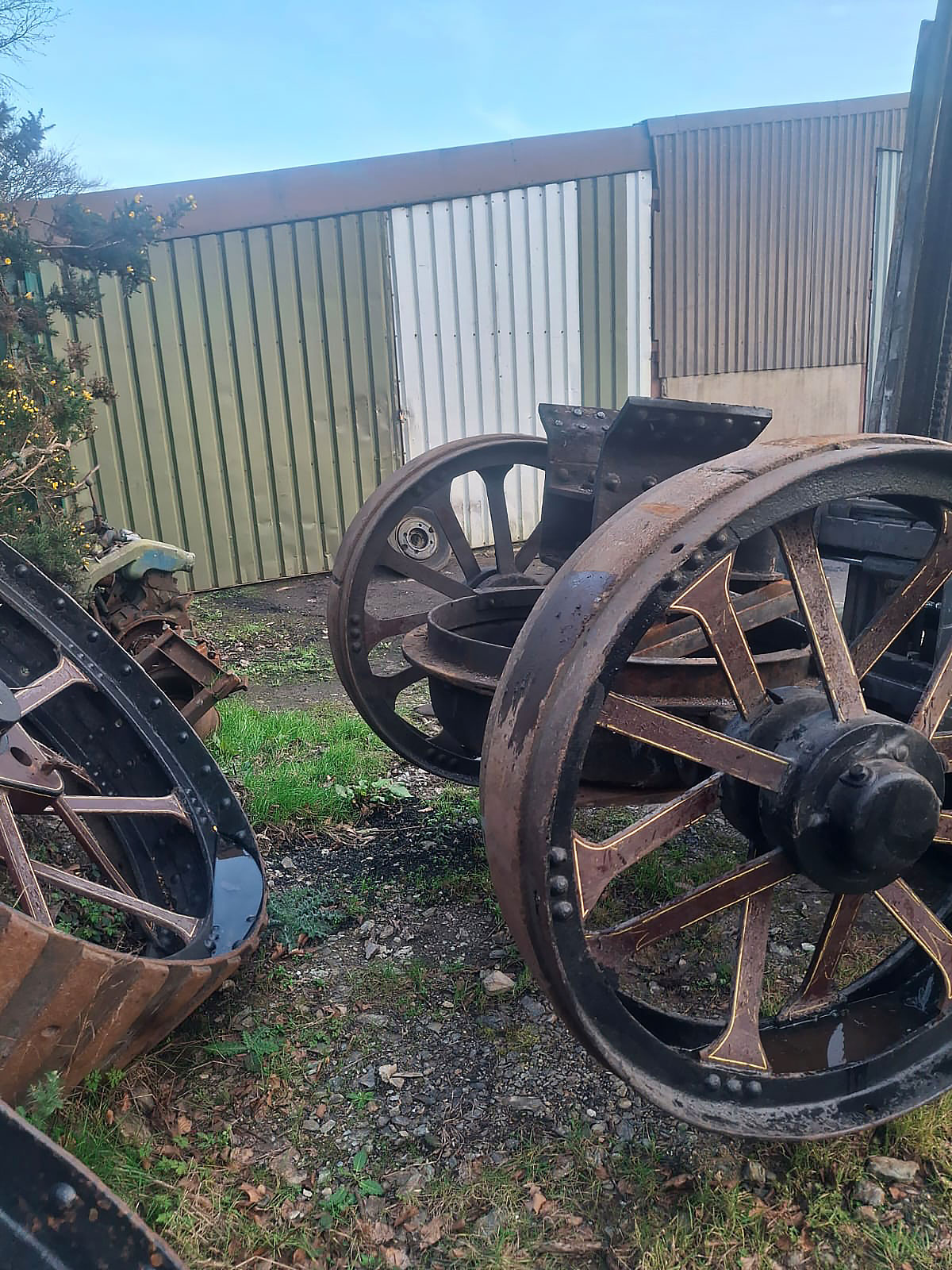
Once all rivets and retaining components were dealt with, the front axle and perch assembly could finally be removed completely. This is one of those moments in a restoration where the engine seems to shift shape, suddenly more open, more accessible, and ready for the next stage.
Firebox, Tube Plate & Fire Door Ring Removed
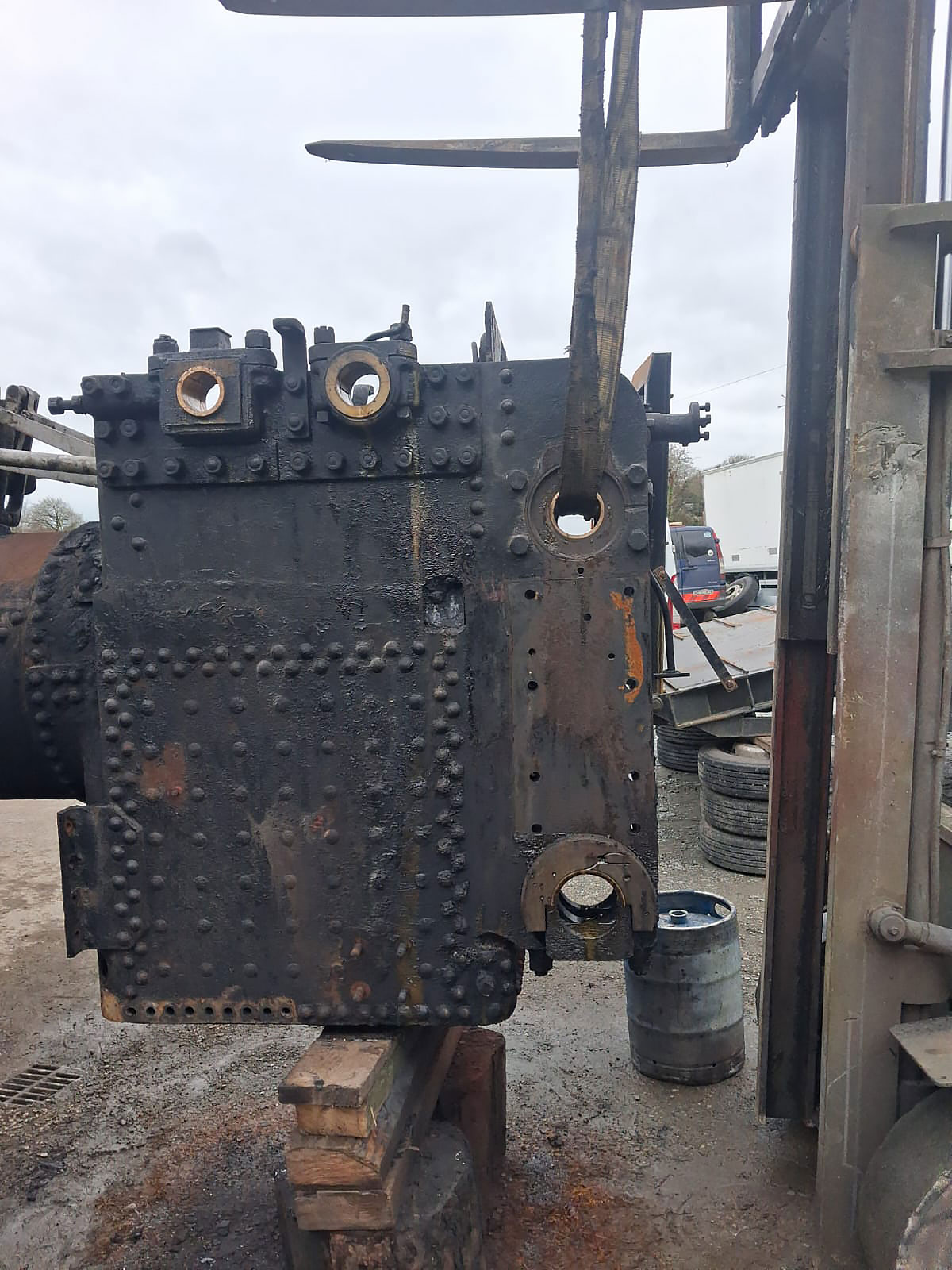
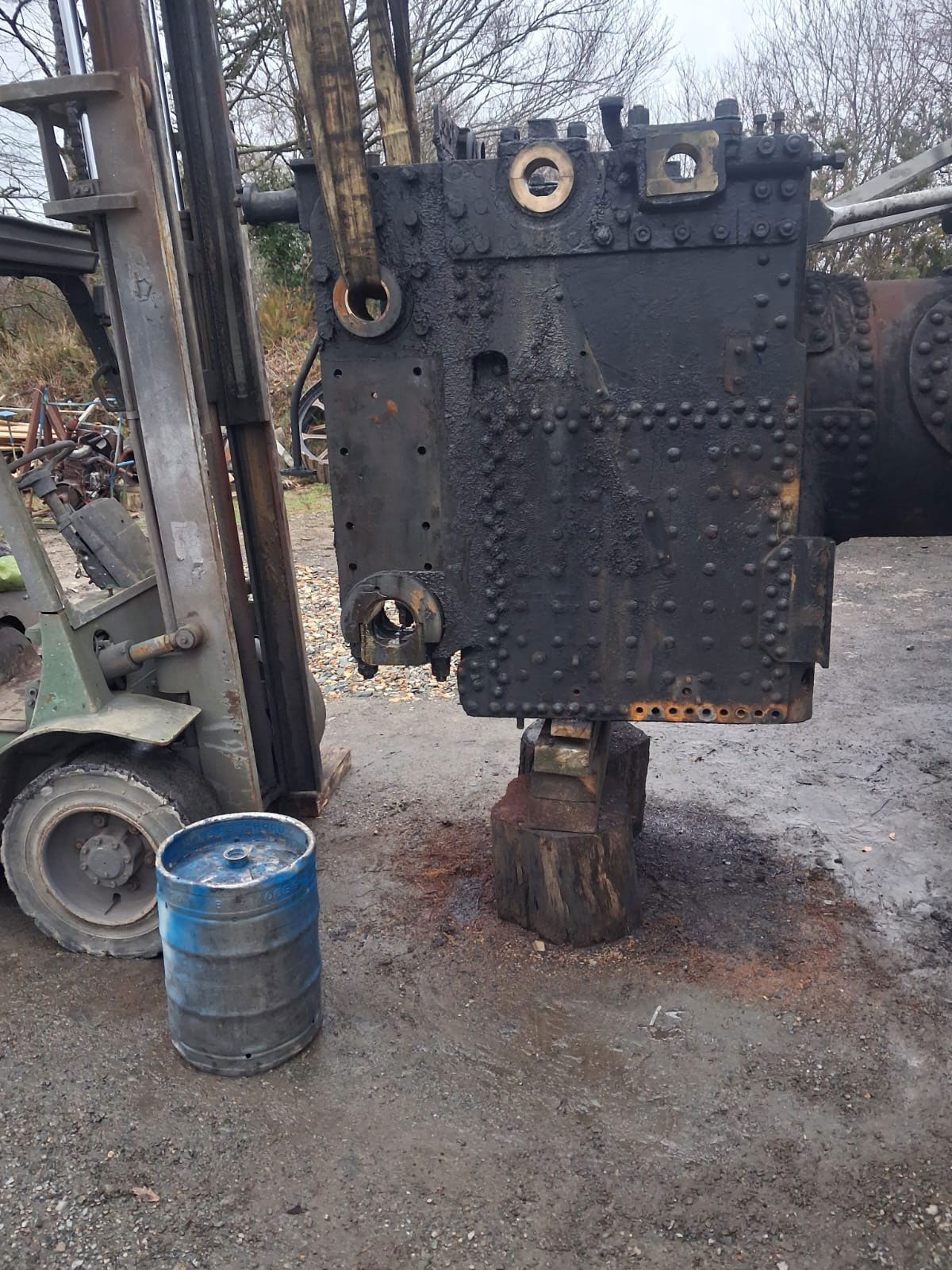
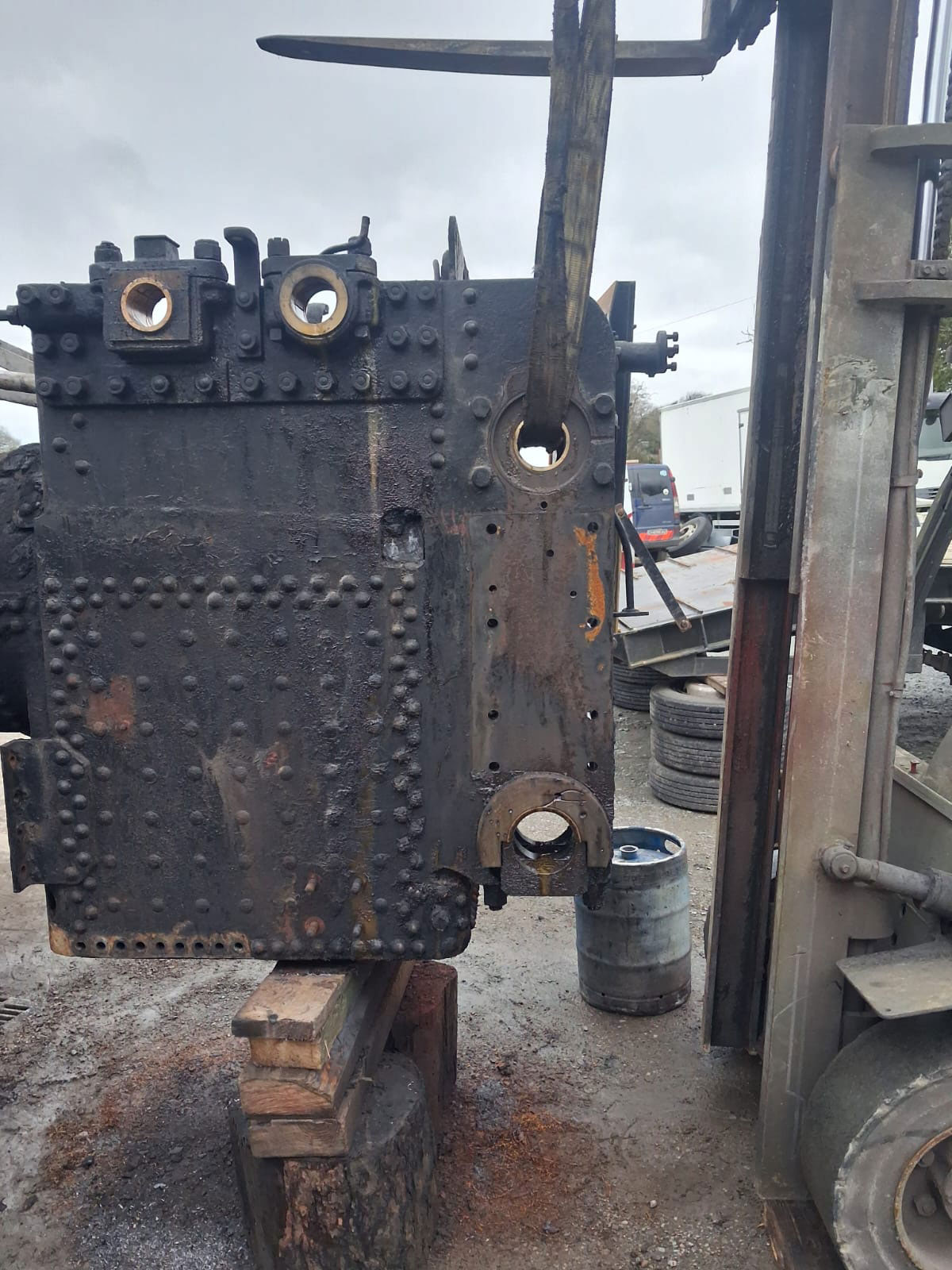
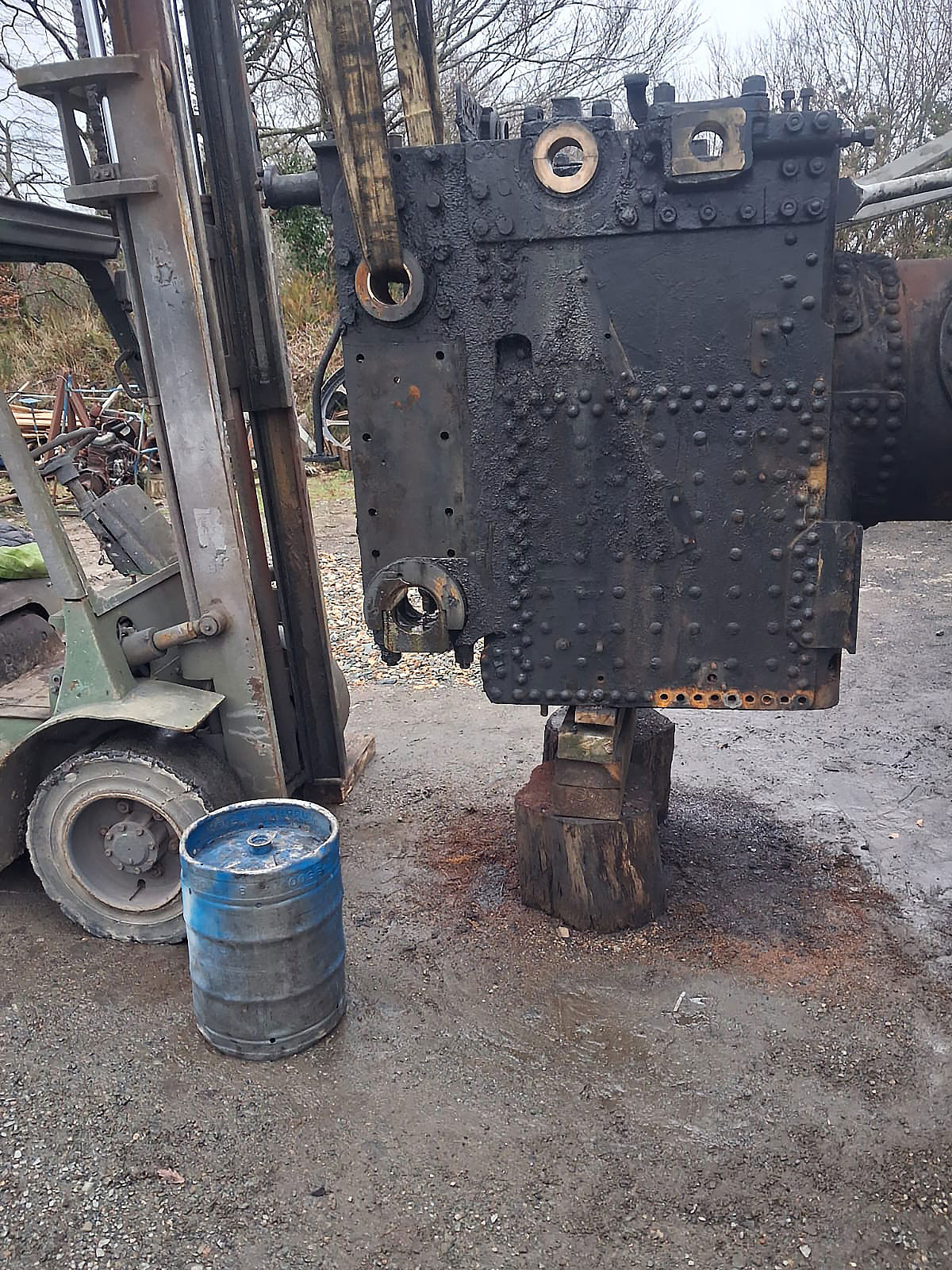
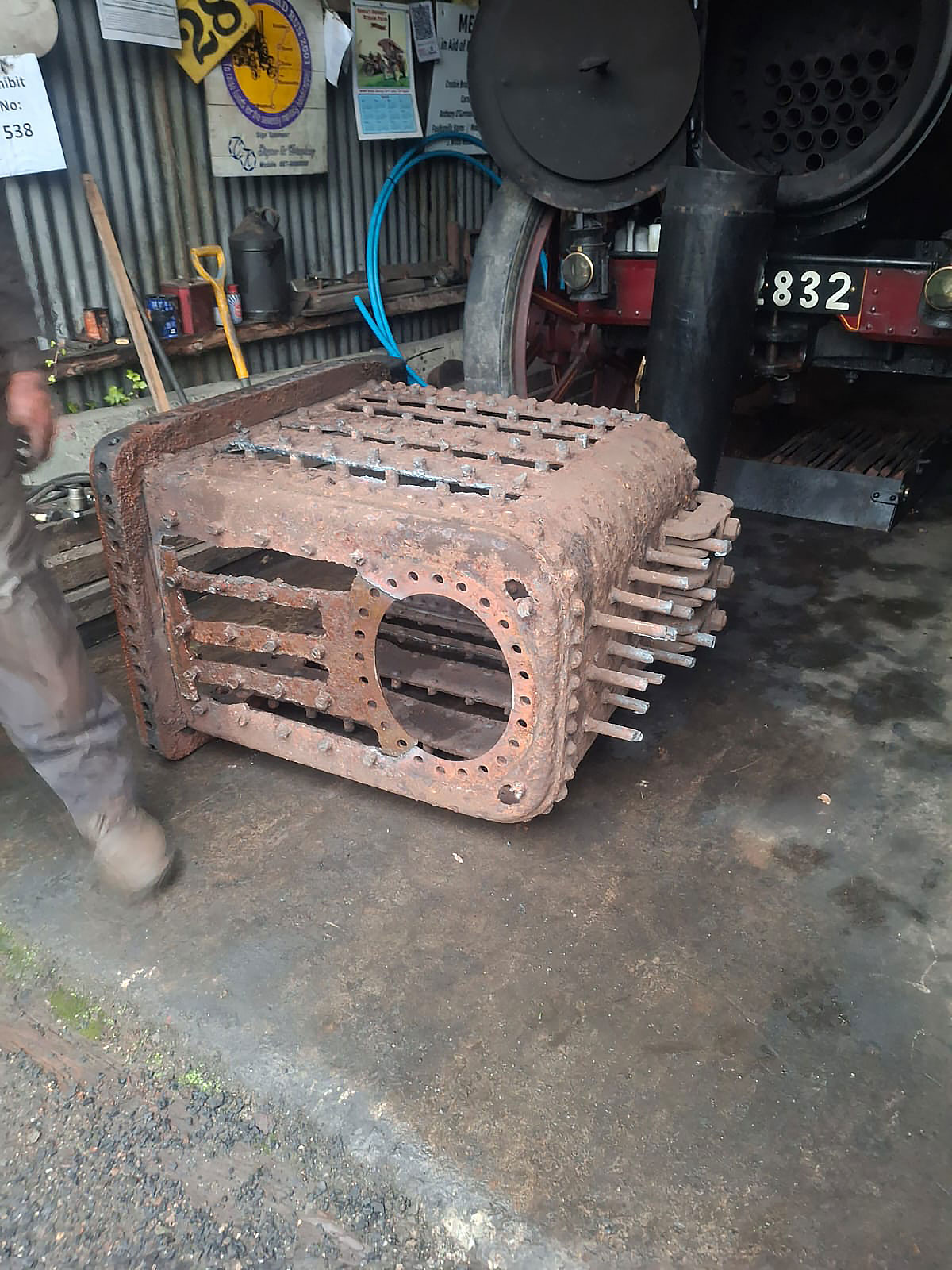
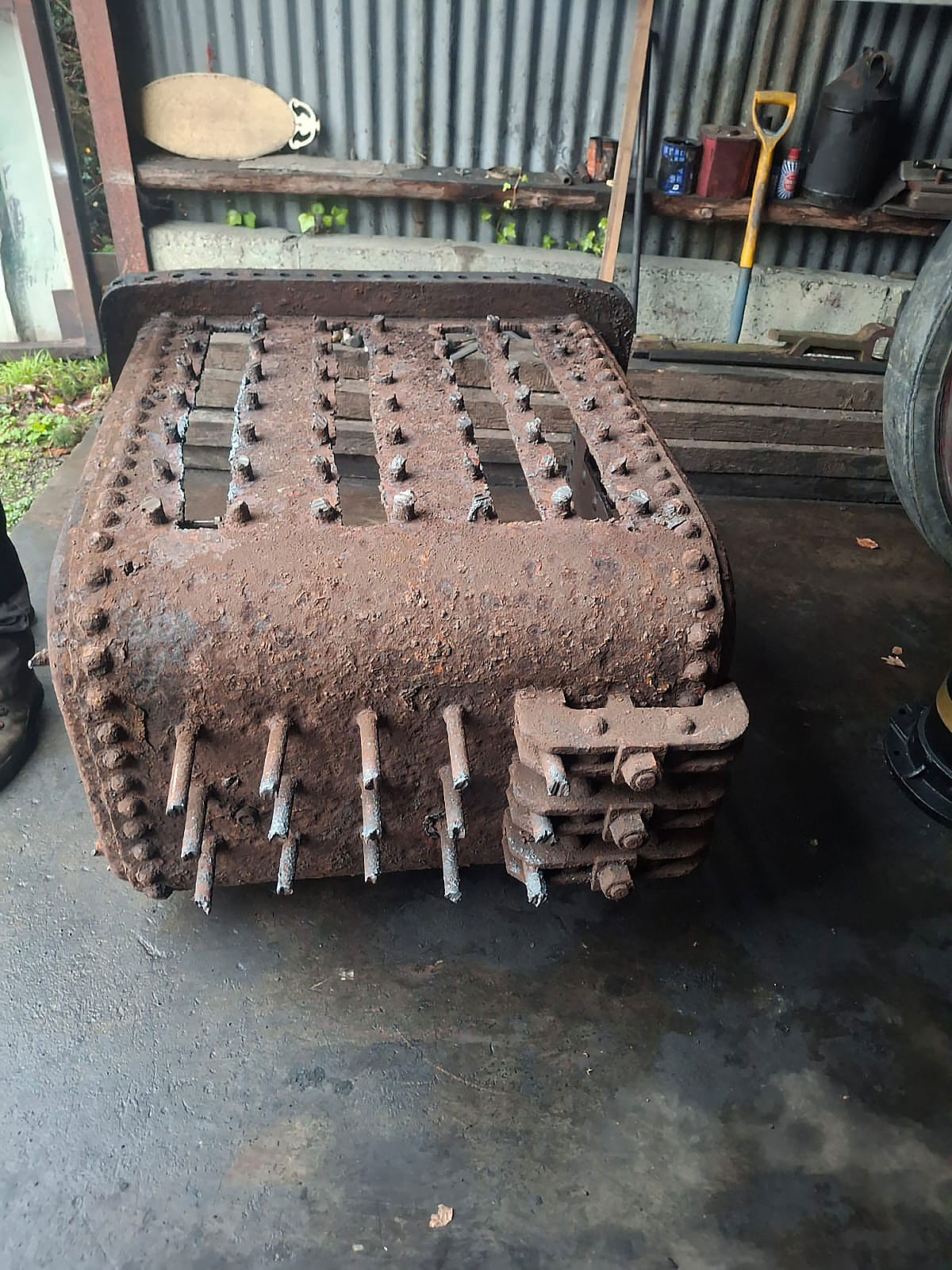
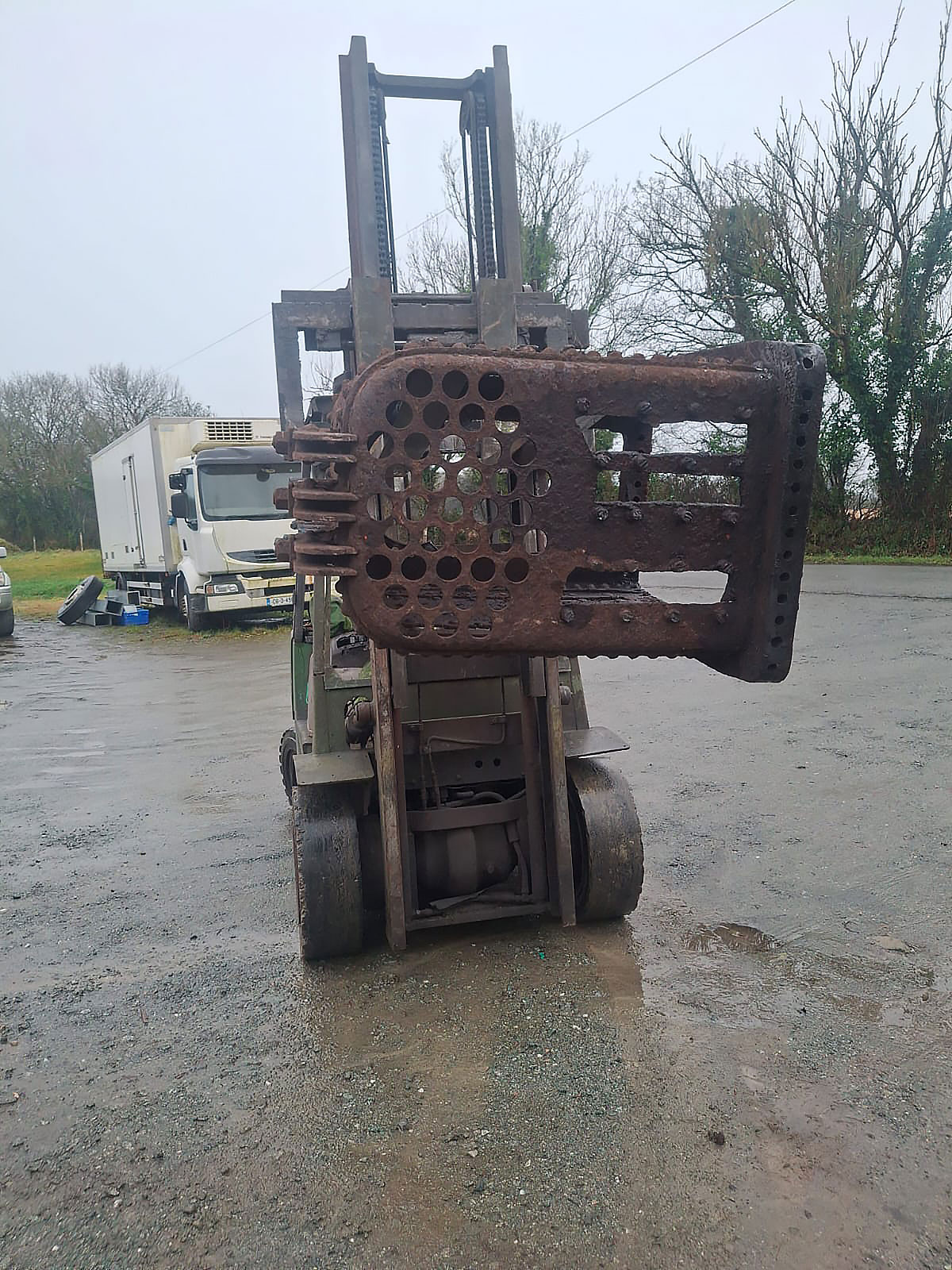
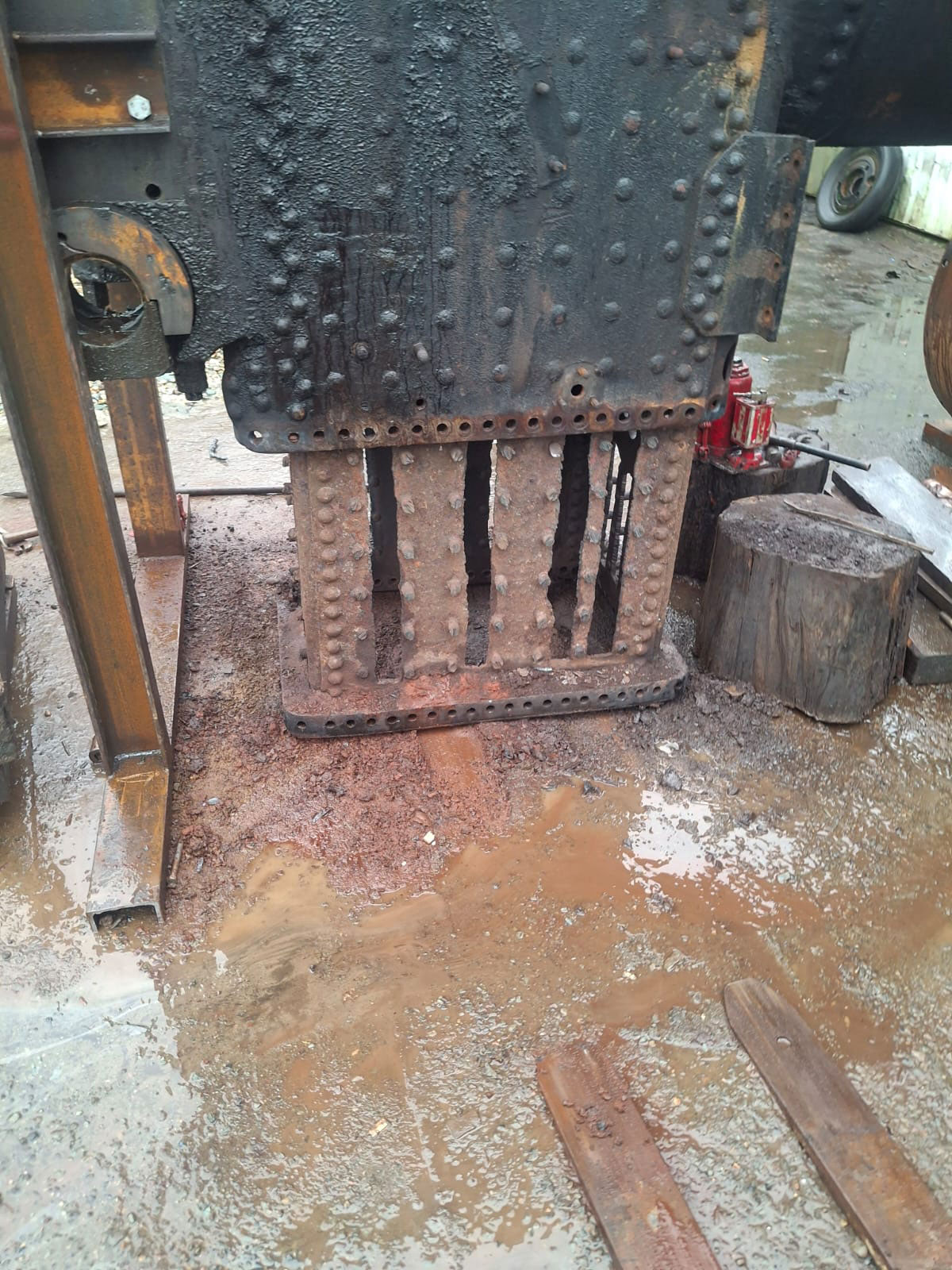
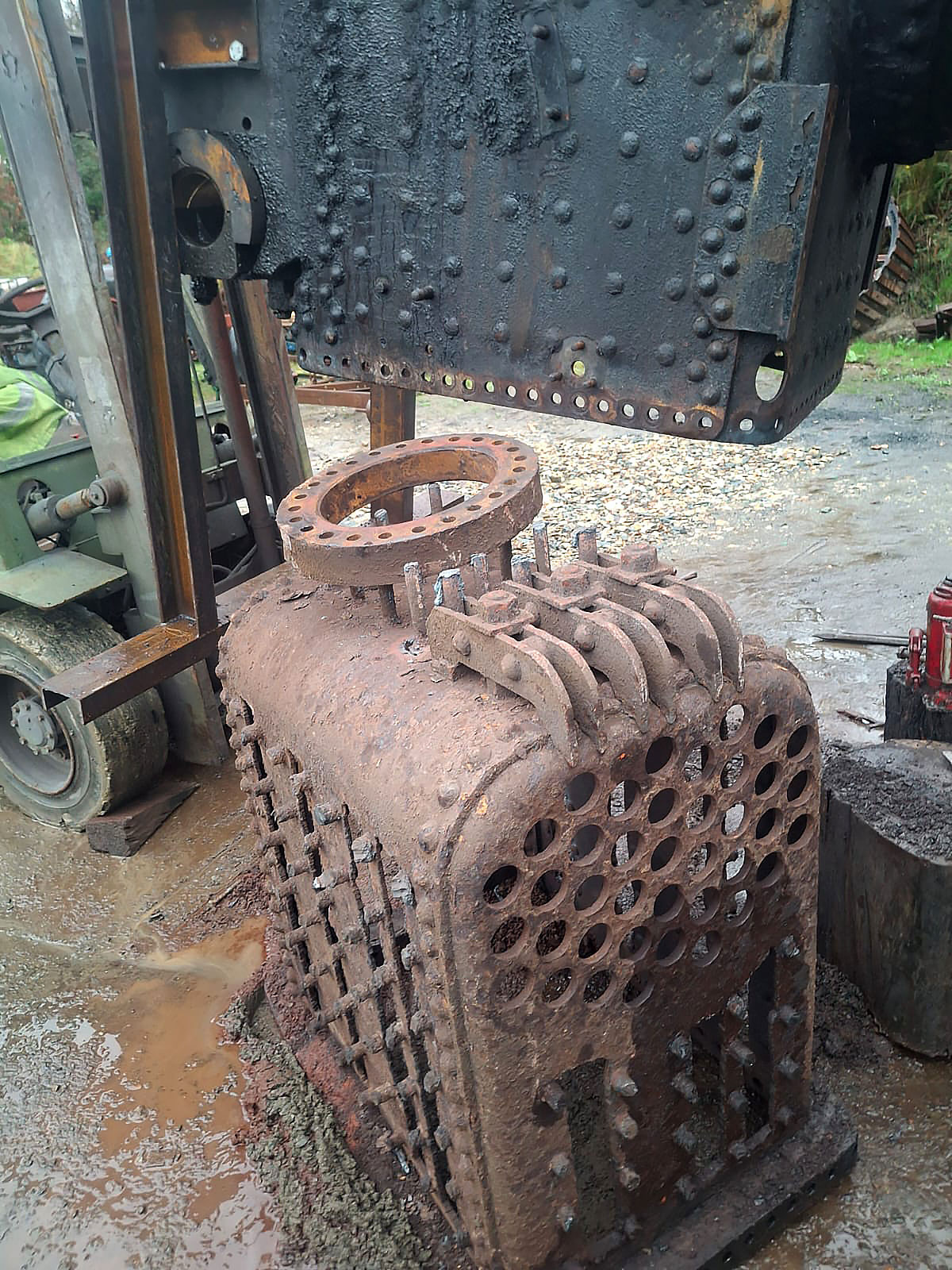
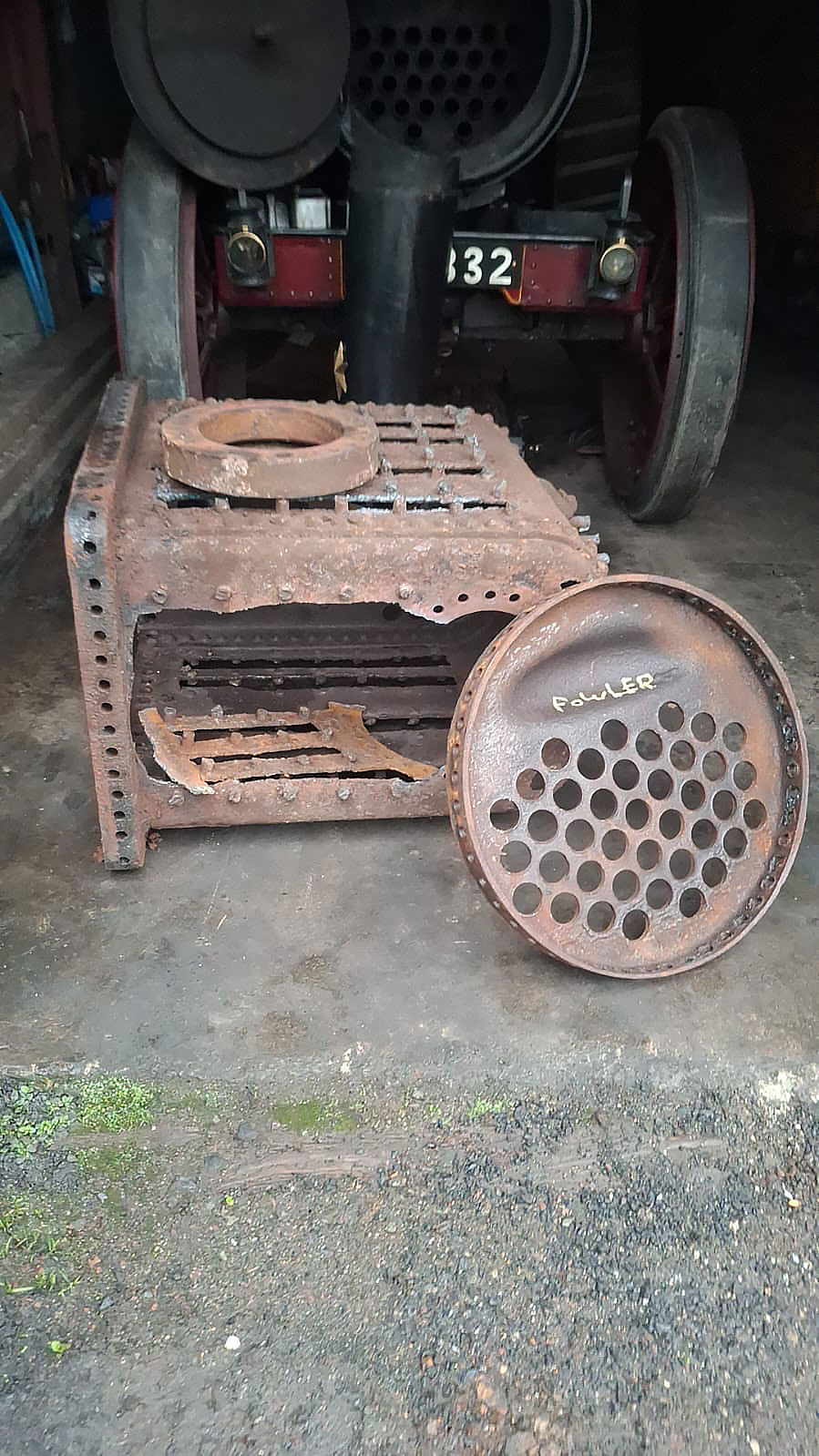
Perhaps the most visually dramatic task so far has been the removal of the firebox, along with the tube plate and fire door ring. This process exposes the heart of the boiler and reveals decades of service.
Seeing the firebox removed is a bittersweet sight, it marks the end of the engine’s old working life, but also the beginning of a new chapter where it will be rebuilt stronger, safer, and ready for the future.
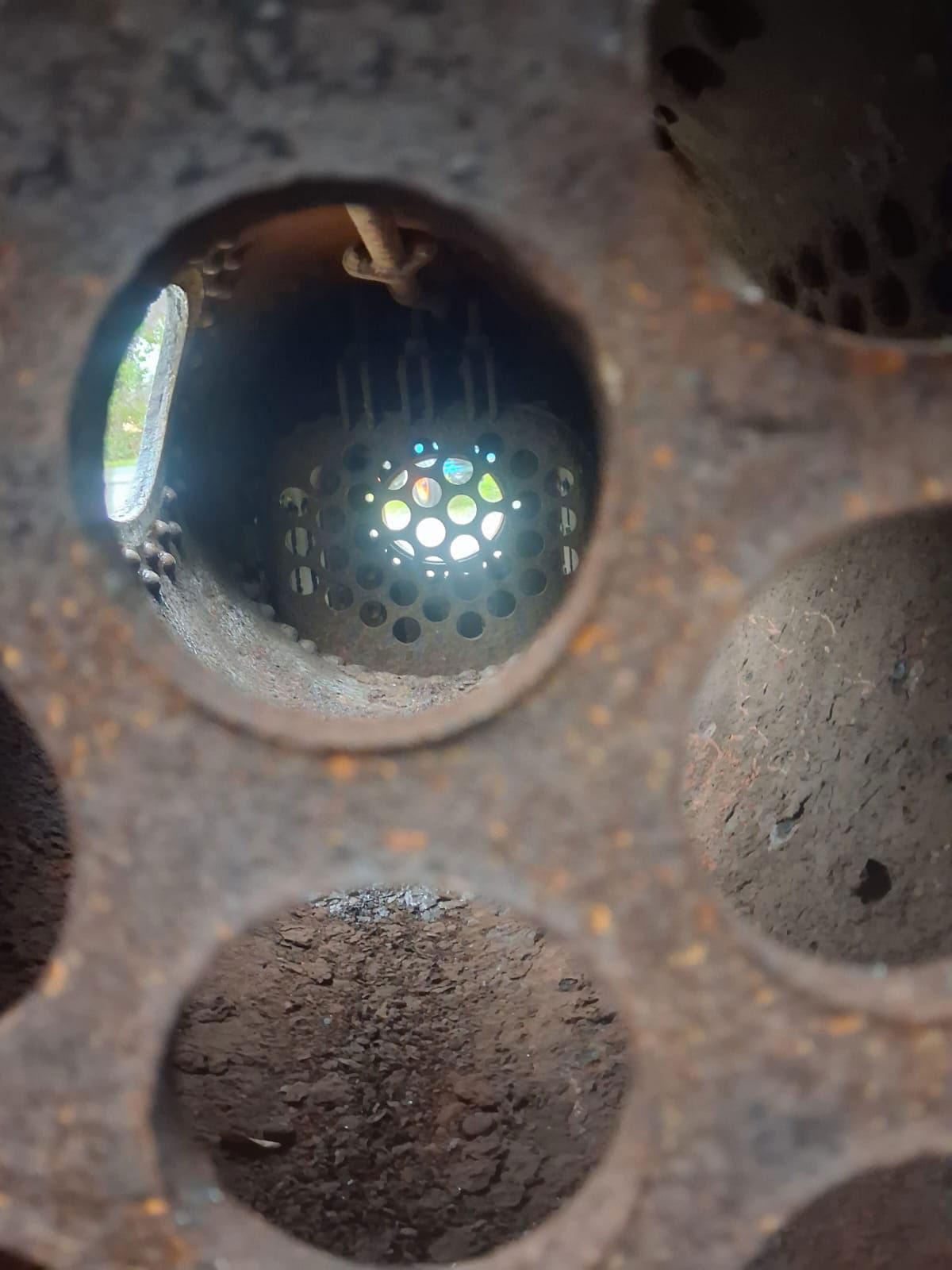
Inside the Boiler – Bridge Stays & Structural Elements
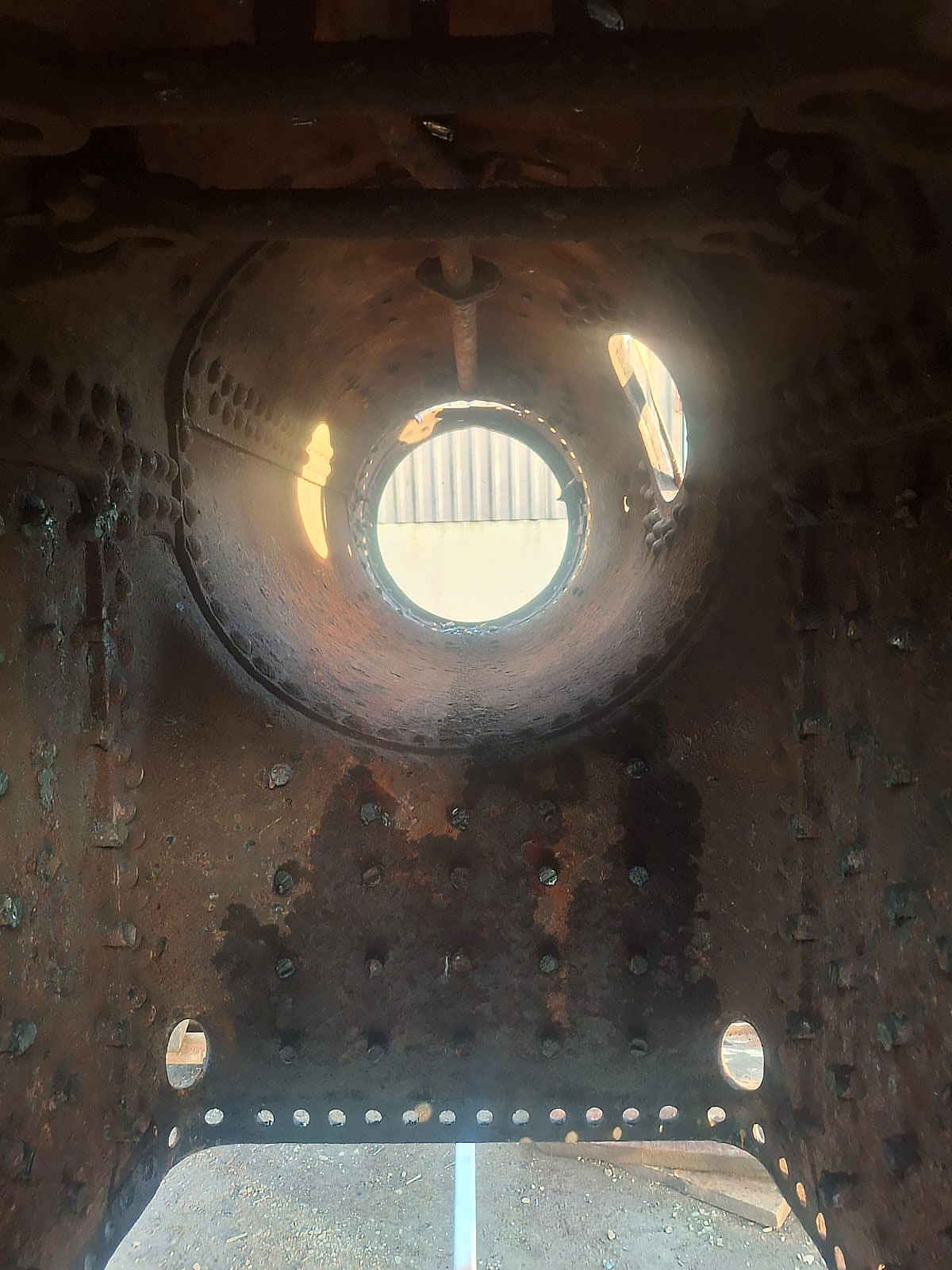
A rare glimpse into the interior arrived with clear visibility of the bridge stays and internal boiler structure. These components will guide the next phase of the engineering assessment, informing what must be repaired, replaced, or remanufactured.
Looking Ahead
The restoration of a traction engine is never simple, quick, or predictable, but that’s part of the magic. Each rivet removed and each plate lifted brings us closer to hearing The Village Rambler breathe steam again.
In the next instalments, we’ll share updates on the boiler assessments and any replacement components being fabricated that’s required.
Thank you for joining us at the start of this journey. If you’re as passionate about steam, engineering, or heritage preservation as we are, stay tuned, many exciting chapters lie ahead.
Written by Nicola Glynn