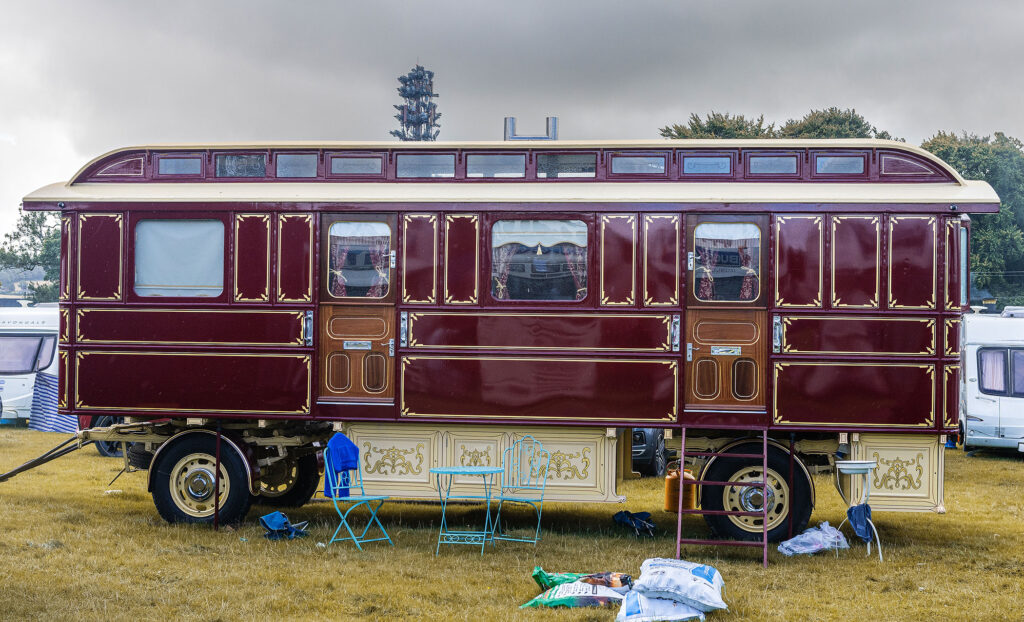
Among the many treasures to be found at this year’s National Steam Rally is a beautifully preserved Showman’s Wagon – a reminder of a time when travelling fairs brought entertainment from town to town, and the wagon behind the engine was not just transport, but home.
Built by the famous firm of Wm. Brayshaw & Sons of Yeadon, Yorkshire, these wagons were renowned throughout Britain for their quality, craftsmanship and attention to detail. Although the company began life as a traditional blacksmith’s business in the late nineteenth century, it soon developed into one of the finest builders of travelling wagons for showpeople.
The Brayshaw story began in 1882, when William Brayshaw expanded his family blacksmith’s business into larger premises in Yeadon. What started with horseshoeing, wheelwright work and wagon repairs soon evolved into building complete living wagons. By 1889 the firm was producing caravans and showmen’s wagons, gradually specialising almost exclusively in the needs of travelling fairs.
As fairs grew larger and steam engines replaced horses, Brayshaw adapted their designs to suit the changing world of showpeople. Their wagons became larger, more comfortable and more elaborate, while never losing the superb craftsmanship that made them so sought after.

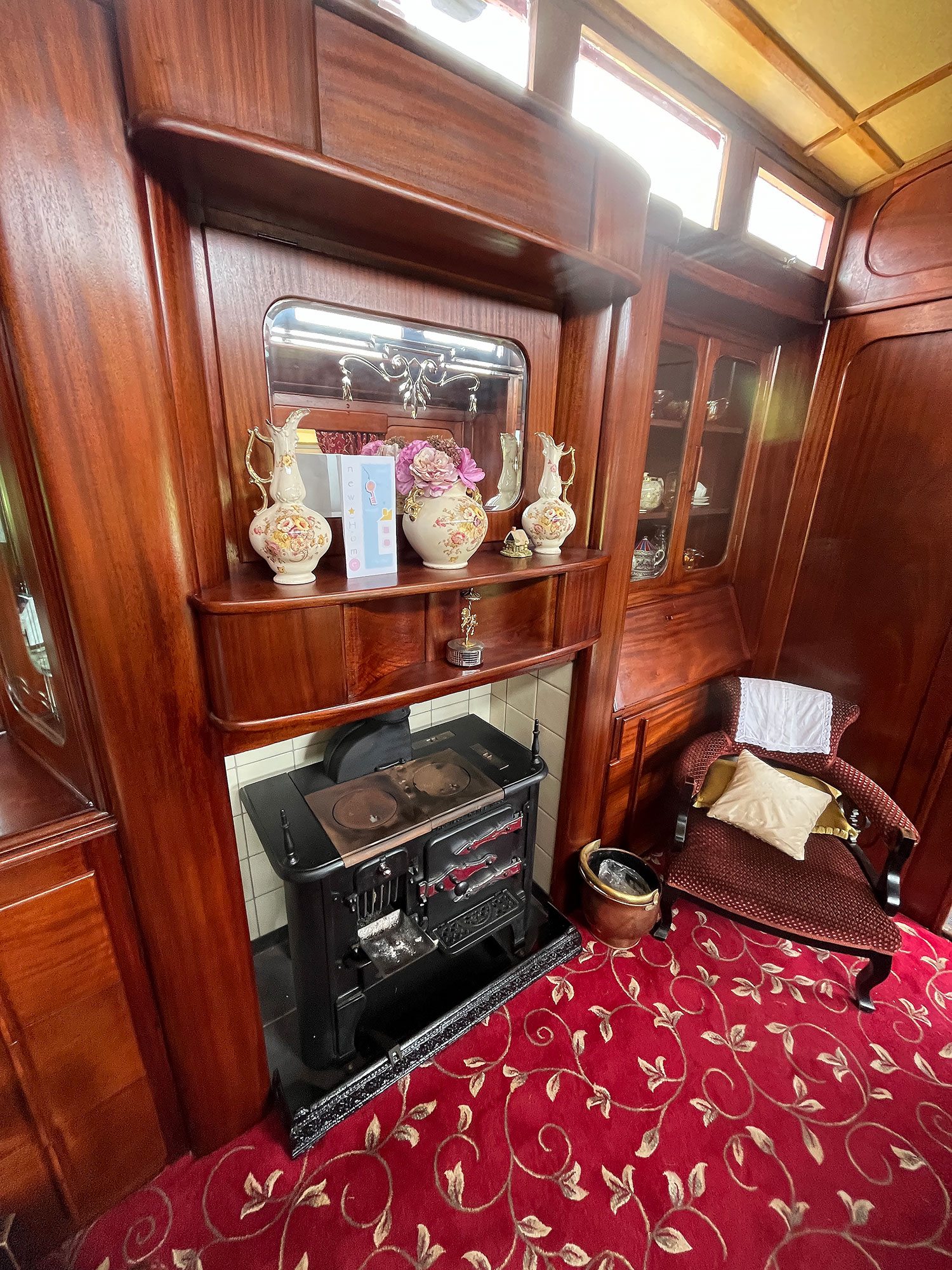
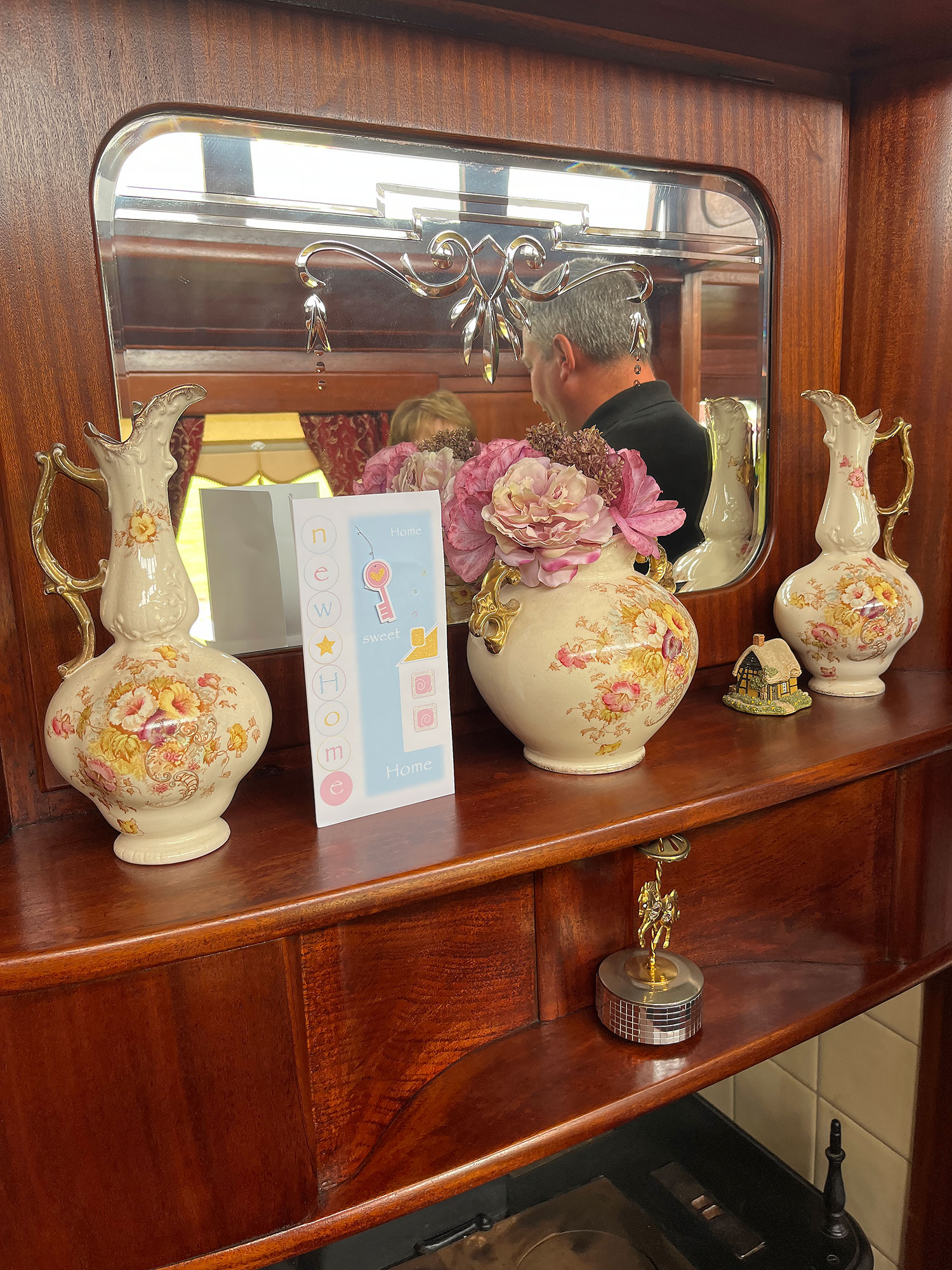
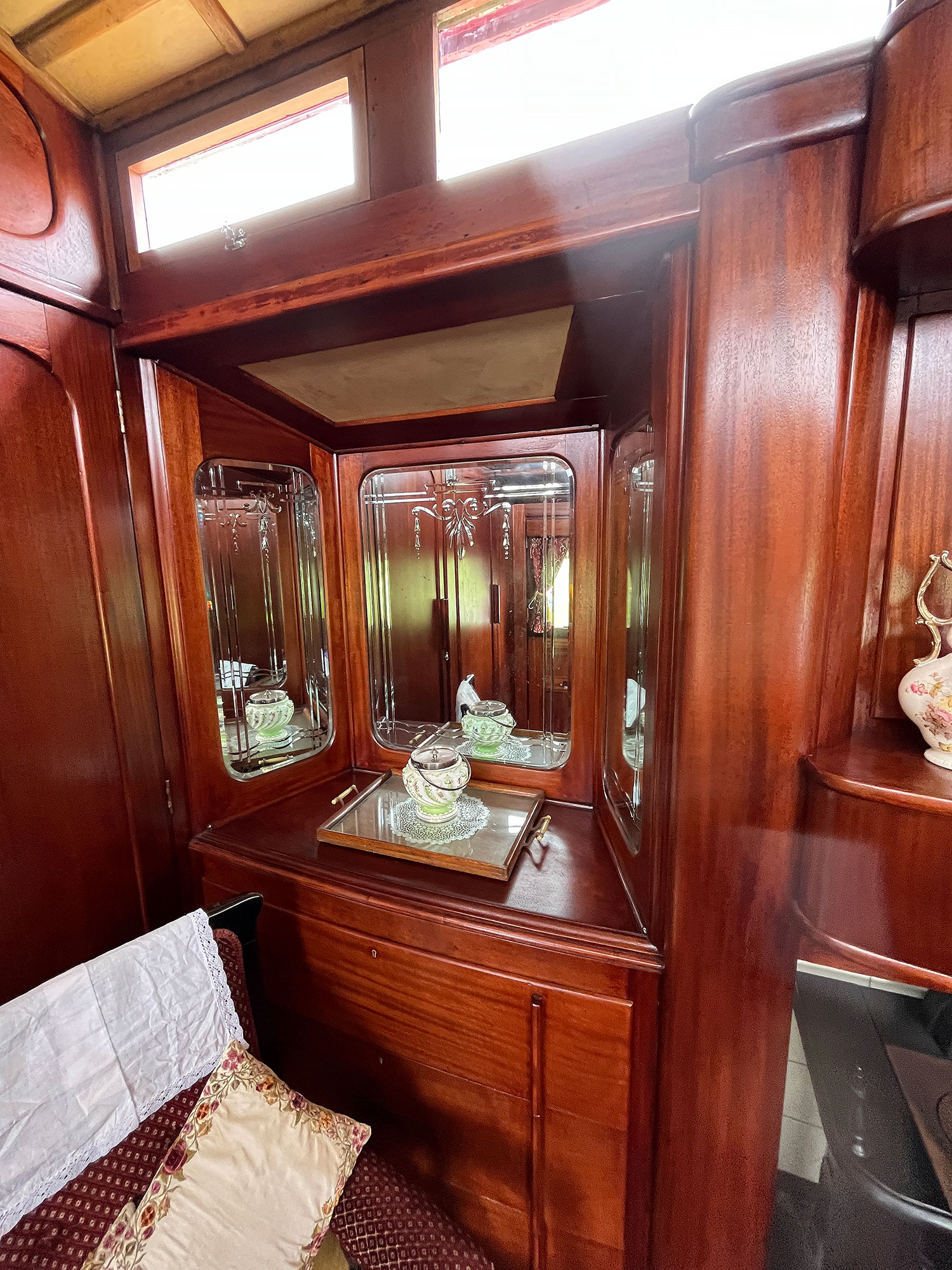
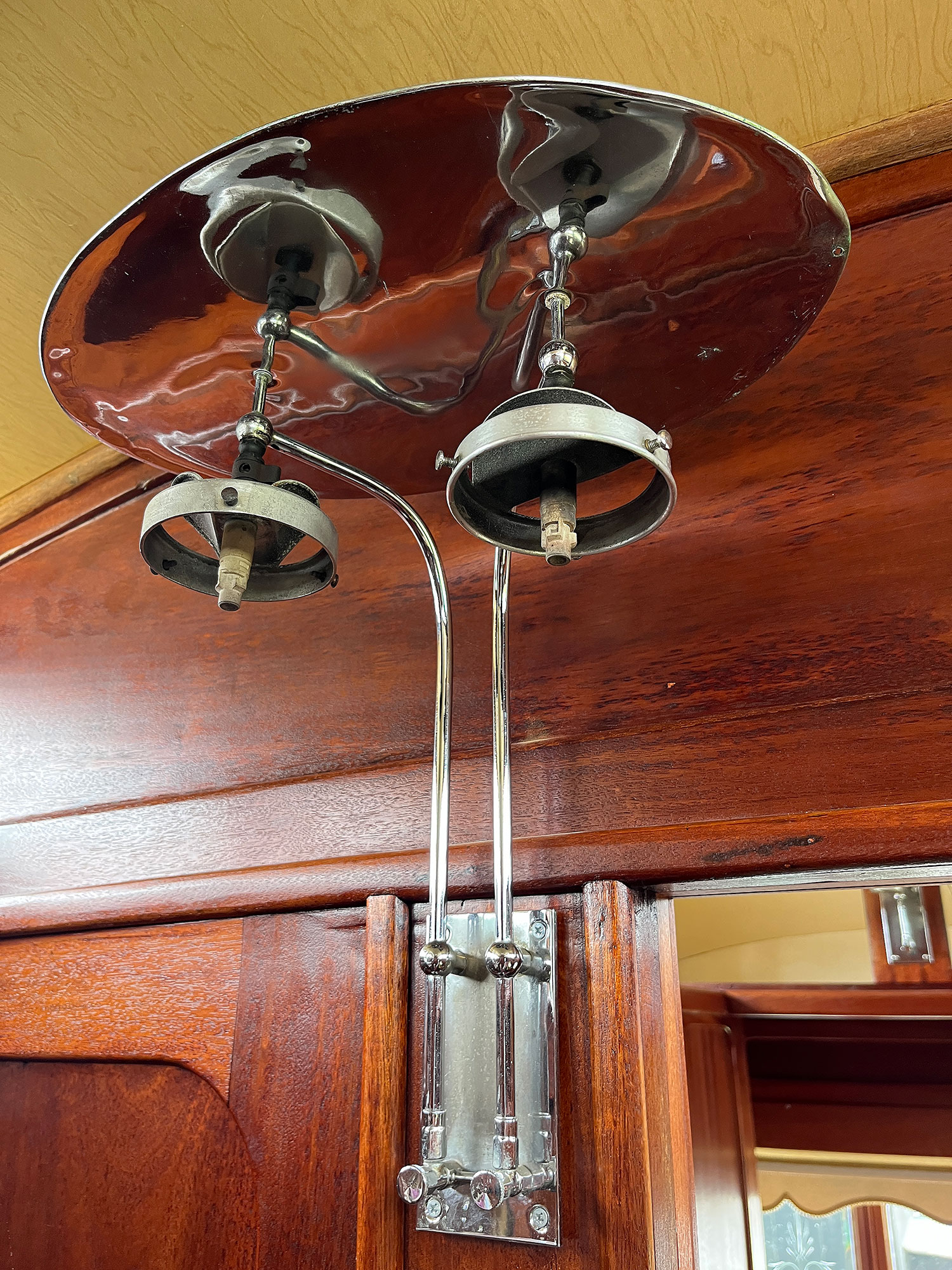
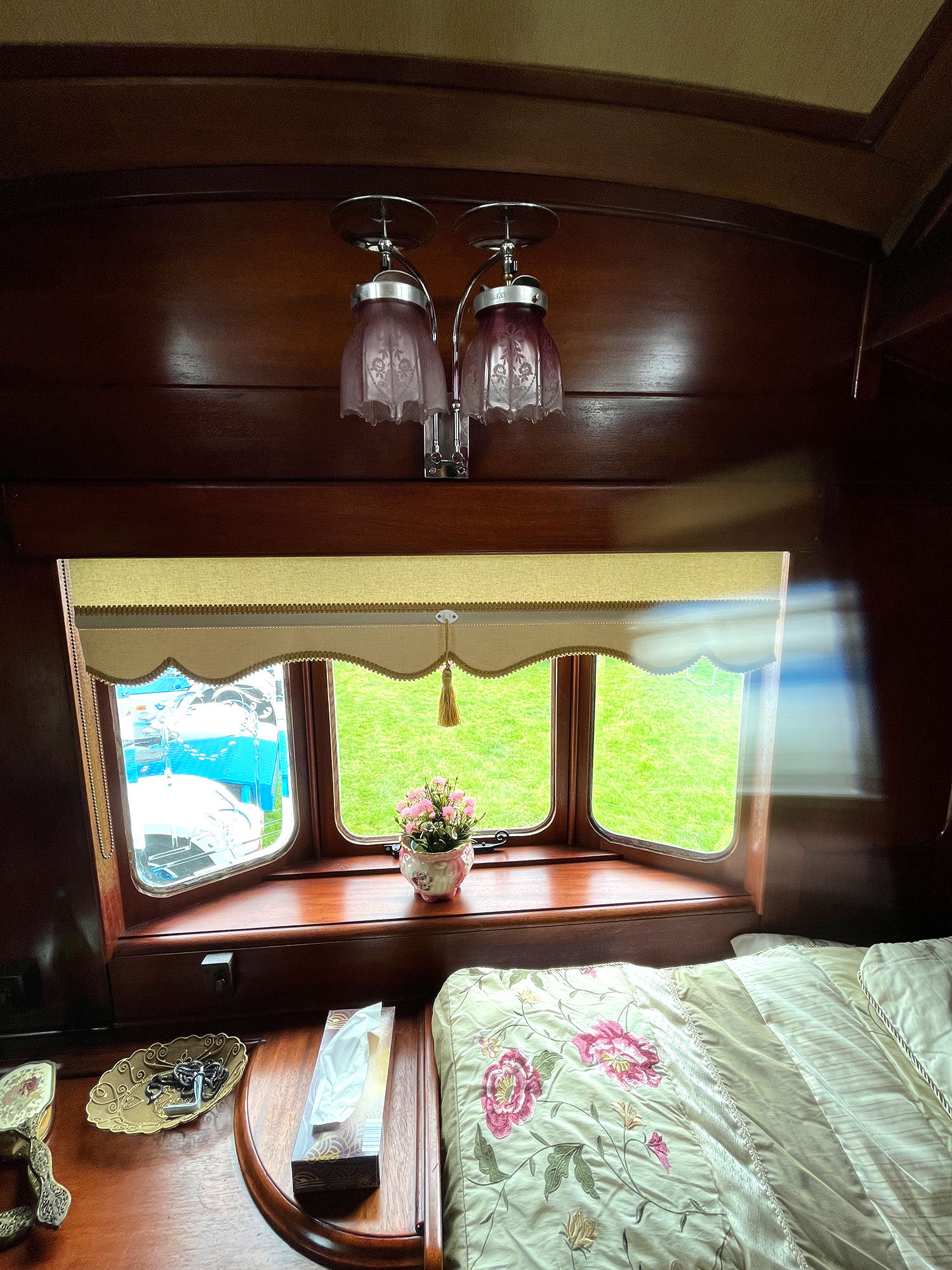
Every wagon was individually built by skilled craftsmen. The body shape was marked out by hand on the workshop floor before construction began. Fine timbers, decorative paintwork, polished interiors, bevelled glass windows and distinctive mollycroft roofs all became trademarks of a Brayshaw wagon. Inside, owners could expect fitted cupboards, folding tables, fireplaces, sliding beds and beautifully finished woodwork. Later examples even featured electricity, gas lighting, refrigerators and showers as standards of comfort evolved.
Following the First World War, Brayshaw was said to have produced the vast majority of the showmen’s wagons, swings and fairground equipment used throughout Britain. The company continued building for travelling showpeople for decades, earning a reputation that remains legendary among preservationists today.
Today, surviving Brayshaw wagons are cherished pieces of travelling heritage, representing a unique blend of engineering, craftsmanship and family life on the road. They offer a fascinating glimpse into an era when generations of showpeople travelled from fair to fair, carrying not only their livelihoods, but their homes with them.


Be sure to take a closer look when you visit the National Steam Rally. Beyond the beautifully painted exterior lies the story of generations of skilled craftsmen and the travelling families whose lives revolved around these remarkable wagons.
The Craftsmanship of a Brayshaw Showman's Wagon
One of the reasons Brayshaw wagons became so highly respected was the quality of their construction. Every wagon was individually built, with the outline of the body first drawn in chalk on the workshop floor before assembly began. Almost everything was made on site, from the timber bodywork to the decorative ironwork, with only the wheels and tyres sourced elsewhere.
Designed for Life on the Road
The earliest Brayshaw wagons were horse-drawn, typically measuring around 12 feet long by 7 feet wide. They featured large rear wheels, smaller front wheels and a distinctive raised mollycroft roof, which provided extra headroom and incorporated frosted skylights to bring natural light into the living space.
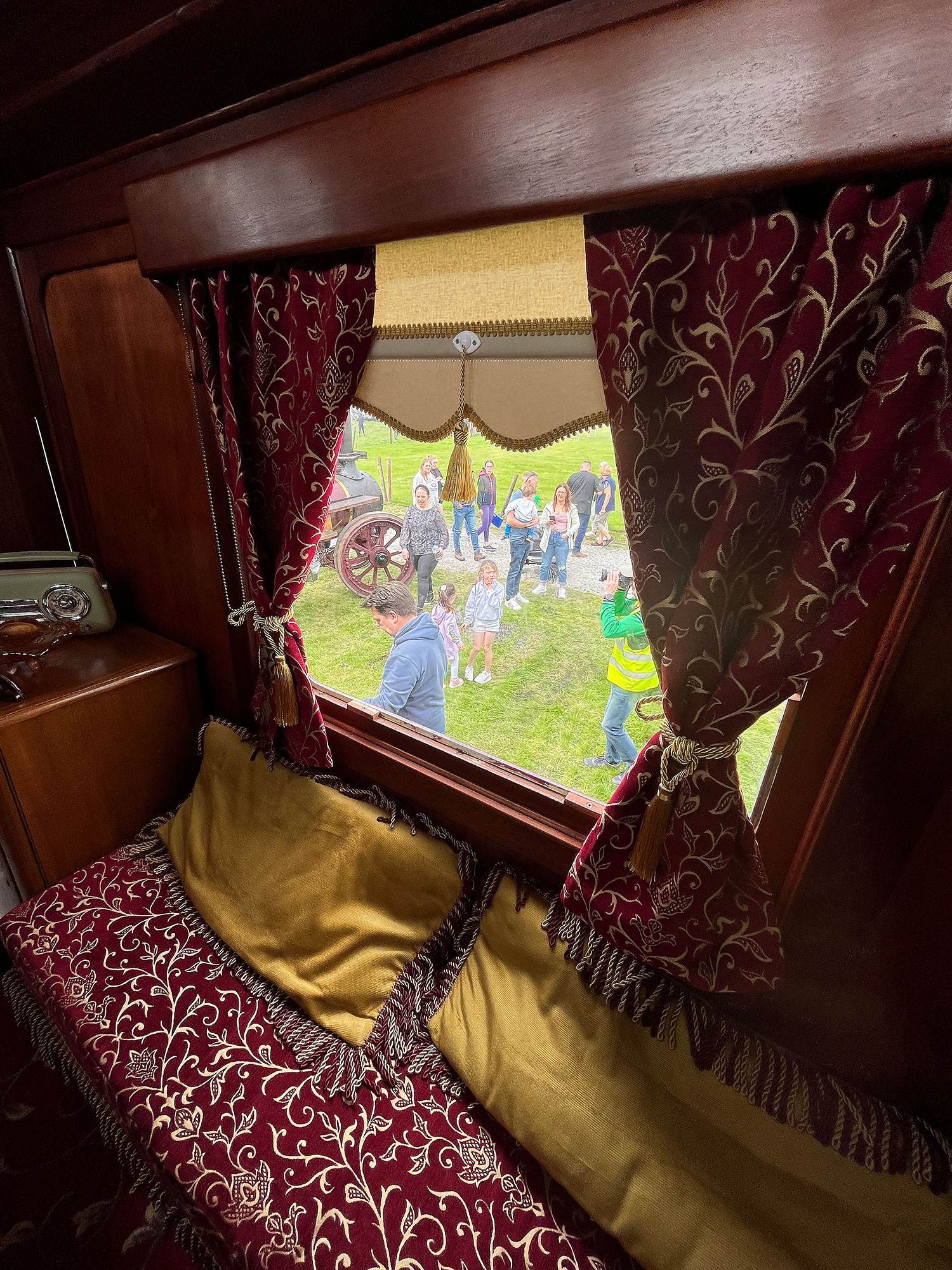
Inside, despite their modest size, they offered remarkable comfort. Standard fittings included a fireplace, cupboards, a sliding bed with storage beneath, lockers, and a drop-leaf table, making them practical homes for travelling families. Windows were fitted with beautifully bevelled frosted glass, while the stable-style entrance door combined solid panelling with glazed upper sections.
Evolving with the Age of Steam
As steam engines and later motor lorries replaced horses, the wagons evolved too. Larger living wagons of 18 to 26 feet became common, with stronger underframes and layouts designed for mechanical haulage. Weight became less of a concern, allowing for more spacious interiors and increasingly elaborate accommodation.
Brayshaw continually adapted to changing fashions and customer demands. Mahogany interiors, painted decorative ceilings, hand-lined cupboards and ornate exterior panels gave way over time to more modern fittings, including laminated worktops, electric lighting, gas appliances, refrigerators and even showers in later examples.
Built for the Showpeople
Unlike many wagon builders of the era, Brayshaw became almost exclusively associated with travelling showpeople. By the years following the First World War, contemporary reports estimated the firm was responsible for around nine-tenths of the showmen’s wagons, swings and fairground equipment used throughout Britain. Their reputation for quality meant many travelling families remained loyal customers across generations.
Every wagon was built to the owner’s requirements. Customers would visit the workshop once the shell had been completed to decide the internal layout and fittings, making each Brayshaw wagon unique. Many also carried the owner’s name proudly displayed on the entrance door in decorative gold lettering.
A Lasting Legacy
From humble beginnings as a Yorkshire blacksmith’s shop, Wm. Brayshaw & Sons developed into one of the most respected names in the history of travelling fairs. Their wagons combined practicality, comfort and exceptional craftsmanship, many surviving today as treasured examples of Britain’s travelling heritage.
The Brayshaw Showman’s Wagon at the National Steam Rally stands as a reminder not only of a remarkable engineering tradition, but also of the generations of travelling families who called wagons like these home.